11 Things to Do in the Jewish Quarter of Amsterdam
Few neighborhoods have as much history as Amsterdam's Jewish Quarter. Here's everything you shouldn't miss on your visit, whether you're exploring on your own or taking a guided tour

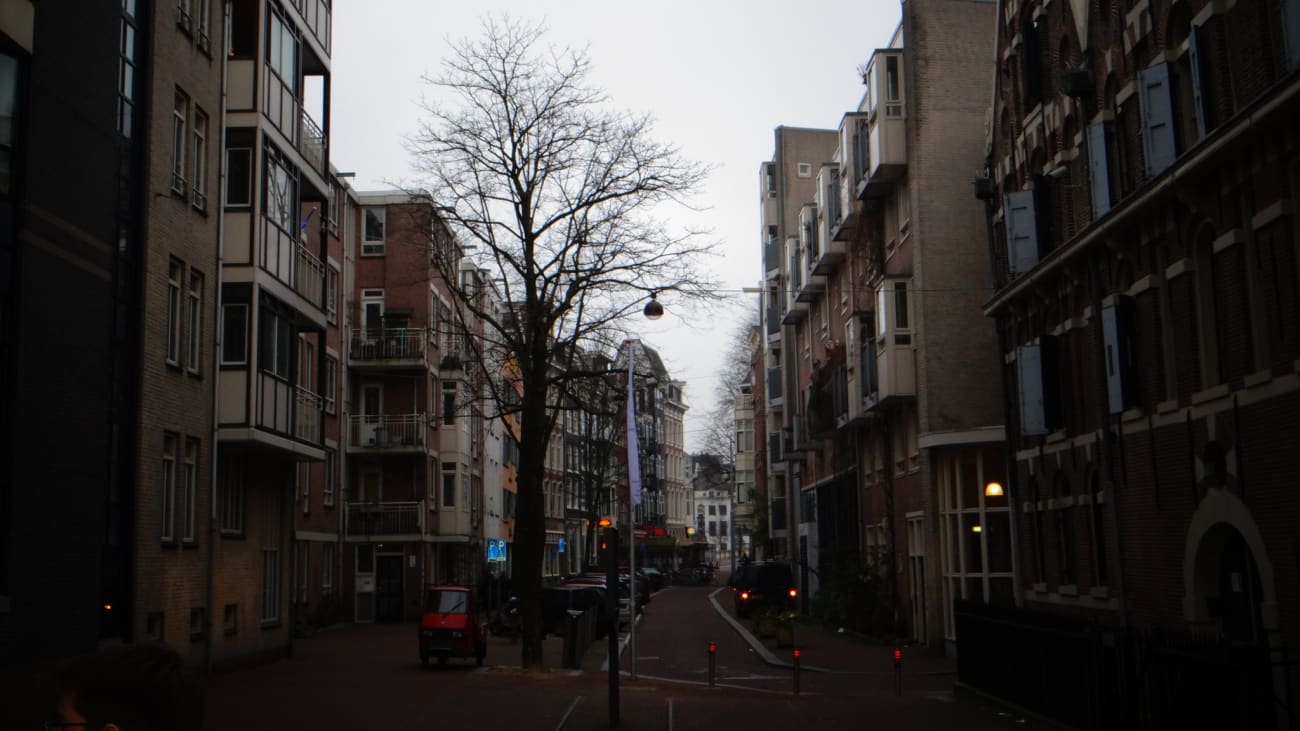
Jewish Quarter, Amsterdam | ©Lulumonster25
In Amsterdam, the area between Nieuwmarkt and Plantage was historically known as the Jodenbuurt (the Jewish Quarter). This neighborhood is home to many historically significant buildings, which are managed by The Jewish Cultural Quarter, an organization dedicated to preserving Jewish culture in Amsterdam.
You can access all of these buildings with a single ticket purchased at any ticket office affiliated with the Jewish Cultural Quarter.
1. Visit Rembrandt House
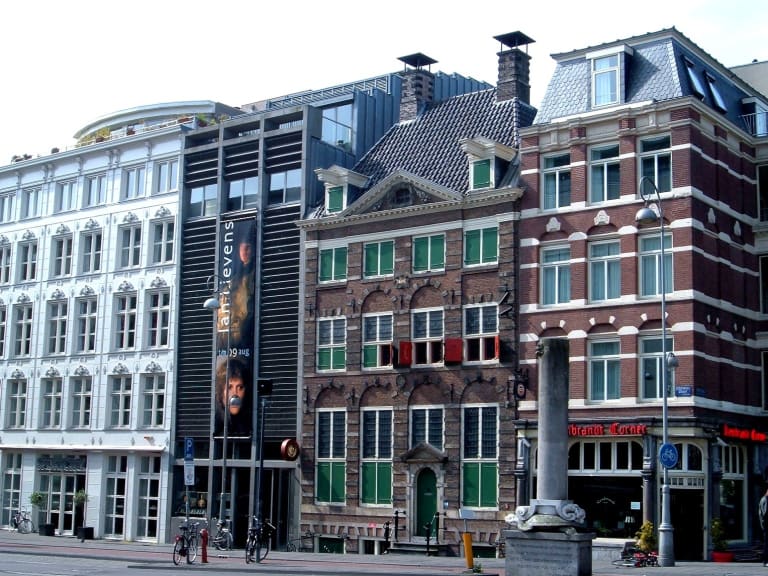
Booking tickets for Rembrandt House should be on your Amsterdam to-do list. This 17th-century property of the famous Dutch painter is located on the street that used to be the center of Jewish life and features an exhibition on the artist’s life, his era, and an interesting collection of his paintings and engravings.
The mansion was built in 1607 and, before Rembrandt, had been home to various artists and merchants. The artist himself purchased the property in 1639. I recommend setting aside some time to visit the small museum shop, as you can find some reasonably priced souvenirs there. The house-museum is open daily from 10 a.m. to 6 p.m.
Furthermore, this is the house where the artist lived and worked for nearly two decades and where he created his magnificent work The Night Watch, which you can view if you take a guided tour of the Rijksmuseum, another must-see museum. Although the painter was not Jewish, his paintings often reflect his life among the Jewish community: scenes from the Old Testament and many portraits of Amsterdam Jews.
2. Make a mandatory stop at the Jewish Historical Museum

Located in a complex of four Ashkenazi synagogues dating from the 17th and 18th centuries, it is the main museum in the Jewish Cultural Quarter and one of Amsterdam’s most important museums. It focuses less on the Holocaust and more on aspects of Jewish life and the relationship between the community and the city, being the only Jewish historical museum in the entire country to hold some of the community’s most important documents and manuscripts.
Known as "Mokum" in Hebrew, Amsterdam was a refuge for Jews, where Jewish communities such as the Sephardim from the Iberian Peninsula and the Ashkenazim from Central and Eastern Europe sought shelter. Although they are part of the same ethnic group, these two communities differed greatly in terms of economic status and social standing. This is one of the themes explored by the Jewish Museum Amsterdam.
If Jewish culture interests you, you simply must book your ticket to the Jewish Museum. As for hours, it’s open daily from 11 a.m. to 5 p.m. On Saturdays and Sundays, there’s usually a market in the adjacent square. Below, I’ve included an article on Amsterdam’s public transportation so you can see how to get there.
3. Dive into history with an Anne Frank tour of Amsterdam’s Jewish Quarter
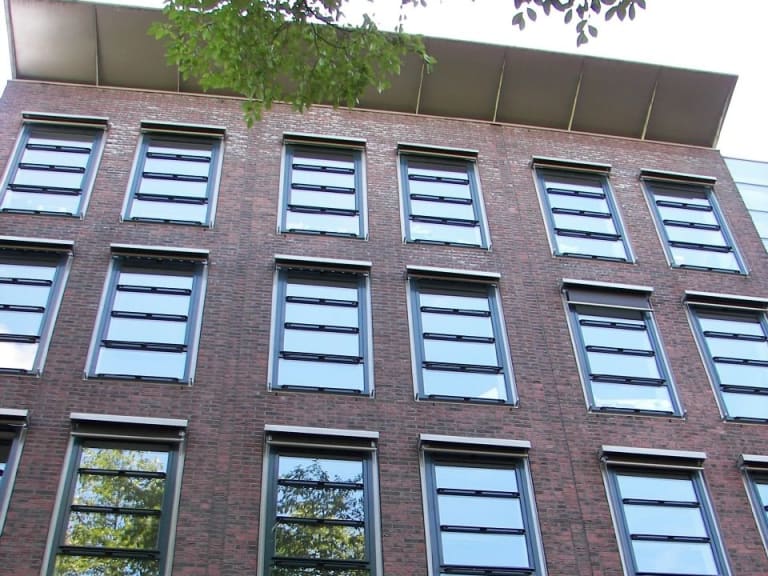
And, of course, during your trip, you must book an Anne Frank tour of the Jewish Quarter, where you’ll explore the Jewish Quarter and Anne Frank’s story during World War II alongside a professional guide who will tell you everything you need to know about when the city was under German occupation.
You’ll also explore the Jodenbuurt and Jordaan neighborhoods and visit the Jewish Historical Museum and the Anne Frank House on this fantastic and moving tour that delves into this dark chapter of history.
4. Visit the Gassan Diamonds factory
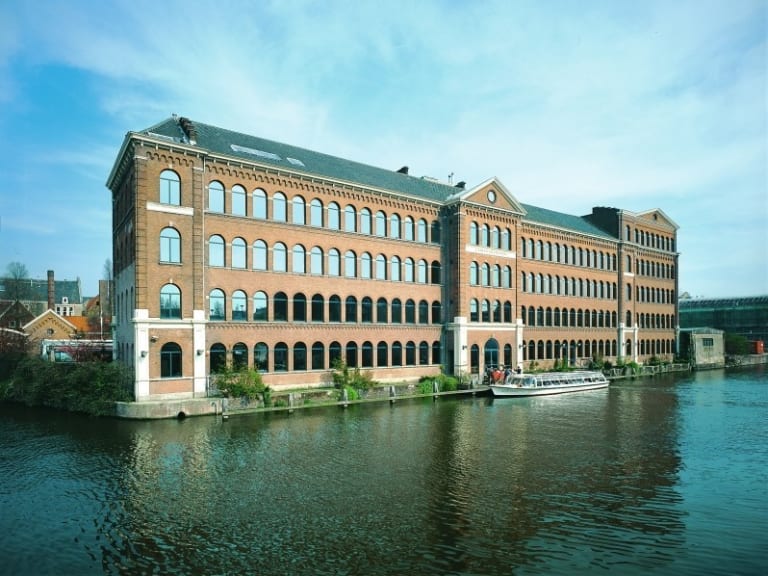
Gassan Diamonds is an imposing brick building dating back to 1897. The one-hour tours, available in multiple languages, include a visit to the diamond cutting and polishing areas, as well as a look at Gassan’s dazzling collection of watches, diamonds, and jewelry. You can book a tour of the Gassan Diamonds factory building daily from 9:00 AM to 5:30 PM.
Before World War II, many local Jews worked as diamond cutters and polishers. It was once the world’s largest diamond polishing factory and the first to use steam as a power source.
5. Don’t miss the Uilenburger Synagogue in Amsterdam

Round windows featuring the Star of David adorn the elegant Uilenburger Synagogue, which dates back to 1766. Amsterdam’s Sephardic community was one of the wealthiest in Europe during the Dutch Golden Age, and this wealth is reflected in this grand synagogue, which is one of the most visited tourist attractions in the Jewish Quarter.
Admission costs 15 euros and also allows you to visit other buildings in the neighborhood. Hours are from 10 a.m. to 5 p.m. every day except Saturday.
As a fun fact, this synagogue, located in the heart of the Jewish Quarter, replaced a house of prayer from 1724. Synagogue services, musical performances, and other organized gatherings take place here. Generally, on Friday evenings, Saturday mornings, and holidays.
6. Discover Casa Pinto

One of the few survivors of all the development along St Antoniebreestraat is the Pintohuis, which is now a public library. Easily recognizable by its Italian-style façade, it is named after Isaac de Pinto, a Sephardic Jew who fled Portugal to escape the Inquisition and later became the founder of the Dutch East India Company.
If you book a tour of the Jewish quarter, I recommend you stop by. Admission is free, and it’s open Monday through Friday from 10:30 a.m. to 5:30 p.m., and Saturdays from 1 p.m. to 5 p.m.
Pinto purchased the property in 1651 and quickly remodeled it in grand style. The mansion was the jewel of the city, especially after Pinto designed the interior in a style never seen before: Upon entering, you can admire the beautiful ceiling frescoes, featuring lots of gold and birds. There are also more recent additions at the entrance, such as the little cherub reading a book.
7. Visit the Portuguese Synagogue, one of the oldest in the world

Visiting the second-oldest synagogue in Europe is a real treat. Plus, your ticket also grants you access to the Jewish Historical Museum across the street. The synagogue is open Sunday through Thursday from 10 a.m. to 4 p.m. and Fridays from 10 a.m. to 3 p.m., and I highly recommend visiting it if you book a tour of Amsterdam’s Jewish Quarter.
I advise you not to skip the less prominent areas of the building (meeting room, winter synagogue, bathrooms, office, candle room, mourning room, rabbinate, etc.), as they reveal much more than you might expect. Also, be sure to go downstairs to visit the treasure chambers, which house items such as 19th-century manuscripts and gold-thread tapestries. You can also browse a collection of books from the world’s oldest Jewish library.
The opportunity to enjoy religious freedom is what brought most Jews from across Europe to Amsterdam. The city earned a reputation for being tolerant and offering equal rights to people from all communities, and thus, a century later, in 1665, the Portuguese Synagogue was built. Also known as the Esnoga, it was the largest synagogue in the world at the time, having been inspired by Solomon’s Temple in Jerusalem.
8. Admire the statue of the dockworker

Outside the Portuguese Synagogue, standing prominently in the center of a small square, is the statue of the dockworker, by Dutch sculptor Mari Andriessen. This statue honors Amsterdam’s workers, particularly those who went on strike in February to protest the Nazis’ treatment of the city’s Jews.
To understand the significance of this statue, on February 26, 300,000 people joined the protests. On the third day, the strike was harshly suppressed by the Germans, but it is still commemorated every February 25 with an annual wreath-laying ceremony near the statue of the dockworker.
An event you should attend if you visit Amsterdam in February. All political parties, as well as the city’s public transportation authorities and Holocaust survivor organizations, participate in the commemoration.
9. Learn more about history at the National Holocaust Museum
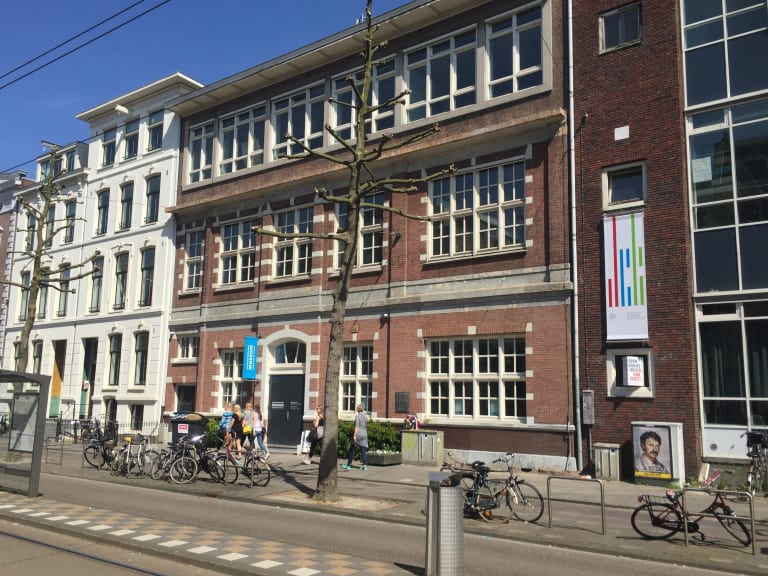
If you book a tour of Amsterdam’s Jewish Quarter, this museum is well worth a visit, as it has an important story to tell. It focuses on how Jewish children (up to the age of 12) had to wait, separated from their parents, for deportation. Open daily from 11 a.m. to 5 p.m.
Visiting the Holocaust Museum is a deeply moving experience, as it features objects belonging to young children alongside their stories. There is also a photography exhibition, most of which were found years after the war in personal collections or antique shops. Many stories are shared through these photos and accompanying documents. More than 104,000 Dutch Jews did not survive the war.
Across the street, you can see the National Holocaust Monument, which lists all the identified victims of the genocide in the Netherlands. A tall, elegant spire sits atop the Star of David, which serves as the monument’s centerpiece.
10. Discover everything there is to see at the Waterlooplein Flea Market

The Waterlooplein Flea Market is one of those must-see destinations if you’re taking a tour of Amsterdam’s Jewish Quarter. It’s one of the most interesting spots and one of the oldest markets in the city. You can find a wide variety of items at numerous stalls, and prices vary from one stall to another. The market is open Monday through Saturday from 9:30 AM to 6:00 PM.
You can find everything from the latest fashions and vintage military uniforms to jewelry, antiques, and electronics. You can even get great deals on tattoos—there’s nothing this flea market doesn’t have. With over 300 stalls, it’s too big to see in just a few minutes. So be sure to set aside enough time for your visit.
Historically, it was built in the early 19th century and was the city’s most successful Jewish market until World War II, when Jews were expelled. After the war, the market was revived and has since become one of Amsterdam’s top tourist attractions. For more information about the market, visit the following website.
11. Visit the Hollandsche Schouwburg, the theater that symbolizes the persecution of the Jews
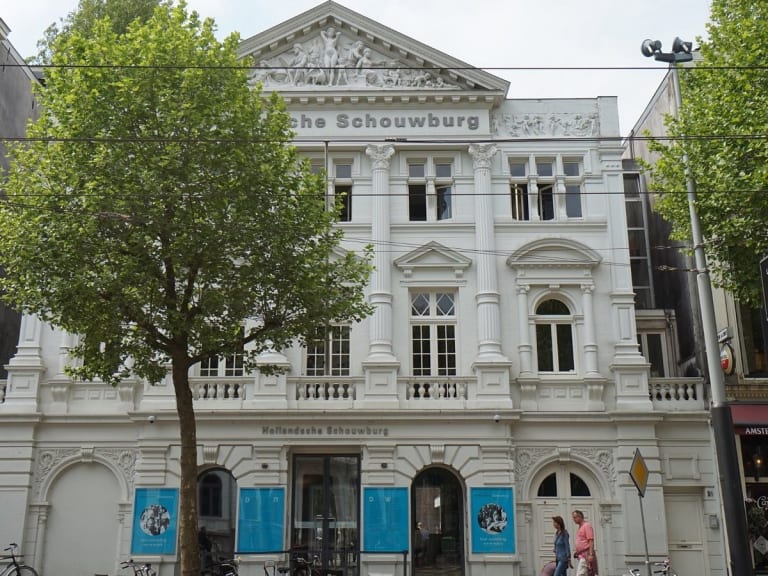
The Hollandsche Schouwburg, once a popular theater, was one of the most vibrant venues for the performing arts, staging well-known plays and dramas. However, following the Nazi occupation, it became a site of tragedy for Jewish families. Today, you can visit it for free, as it tells two distinct stories: the heyday of the Jewish community and its decline following the German invasion.
After World War II, the theater’s difficult situation did not improve. Due to protests, the glory of this magnificent theater never returned. In 1960, the building became a memorial honoring all the Jews who perished in the Holocaust.
The place that once housed the old stage now serves as a reflection of the tragic persecution of the Jewish people. In 1993, a memorial chapel was installed that commemorates more than 6,700 families, approximately 104,000 Dutch Jews. A must-see if you book a tour of Amsterdam’s Jewish Quarter.