










More about: 4 Best Day Trips to Normandy from Paris
The D-Day beaches, Rouen, the splendid coastal towns… there’s no shortage of reasons to visit Normandy. The region is quite large but can be easily reached from the French capital, especially if you choose an organized tour.
Among the things to see and do in Paris, a visit to the nearby regions is a must. Normandy will surprise you with its cliffs plunging into the Atlantic and a green countryside of extraordinary beauty.
1. Day trip to the D-Day landing sites in Normandy

On June 6, 1944, Allied troops landed on Omaha Beach. What has gone down in history as “D-Day” marked a turning point in World War II and the definitive decline of the German advance.
These tours depart from Paris very early in the morning (around 7:00 a.m.) and include the following stops:
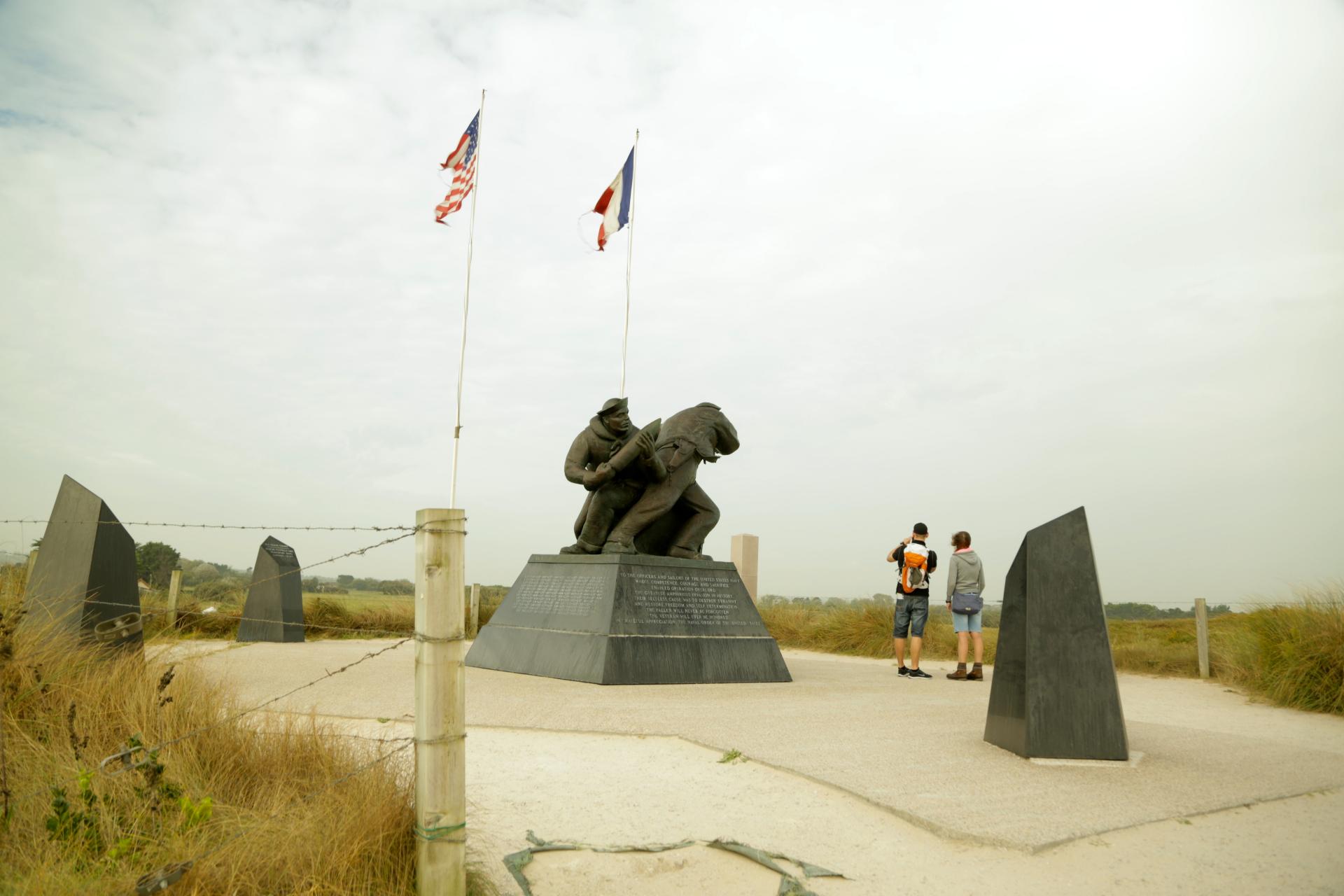
- Omaha Beach, where units from the U.S. 1st and 29th Infantry Divisions landed. The Les Braves monument commemorates this incredible feat
- American Cemetery and Memorial, the final resting place of the soldiers who gave their lives for freedom. It is located in the town of Colleville-sur-Mer
- Arromanches-les-Bains, a coastal town known for its white cliffs plunging into the Atlantic. Typically, the tour price includes admission to the Arromanches 360° photo archive, which features snapshots from D-Day.
- Juno Beach, the beach captured by Canadian troops
Throughout the trip, you’ll have access to both an expert guide and tickets to the main attractions. Some tours to Normandy include lunch and a cider tasting, but if not, you can also find a bar or restaurant in Arromanches-les-Bains. The bus usually returns to Paris in the afternoon.
- Duration: approximately 13 hours
- Price: between €150 and €200
2. 2-Day Tour to Normandy

These tours include one night in a hotel and typically visit four cities: Rouen, Honfleur, Saint-Malo, and Mont St-Michel, as well as the D-Day beaches in Normandy.
Day 1
The first day begins in Rouen, the historic capital of Normandy. Nicknamed the “city of 100 bell towers” by Victor Hugo, it is known for its medieval Norman center, which not even the Hundred Years’ War and World War II could damage.
A visit to the city must include Notre-Dame Cathedral; you’ll recognize it by its large rose window and the three slender towers that complete its silhouette.
After the visit, you’ll arrive at the coastal town of Honfleur. Starting in the 12th century, it became an important port for goods bound for England.
The Vieux Bassin is undoubtedly the must-see attraction. This name refers to the small harbor surrounded by historic buildings that are reflected in the water.
After a free lunch—personally, I recommend La Cidrerie —you’ll board the bus again to see the beaches and D-Day landing sites in Normandy. You’ll typically spend the night at a hotel in Caen.
Day 2
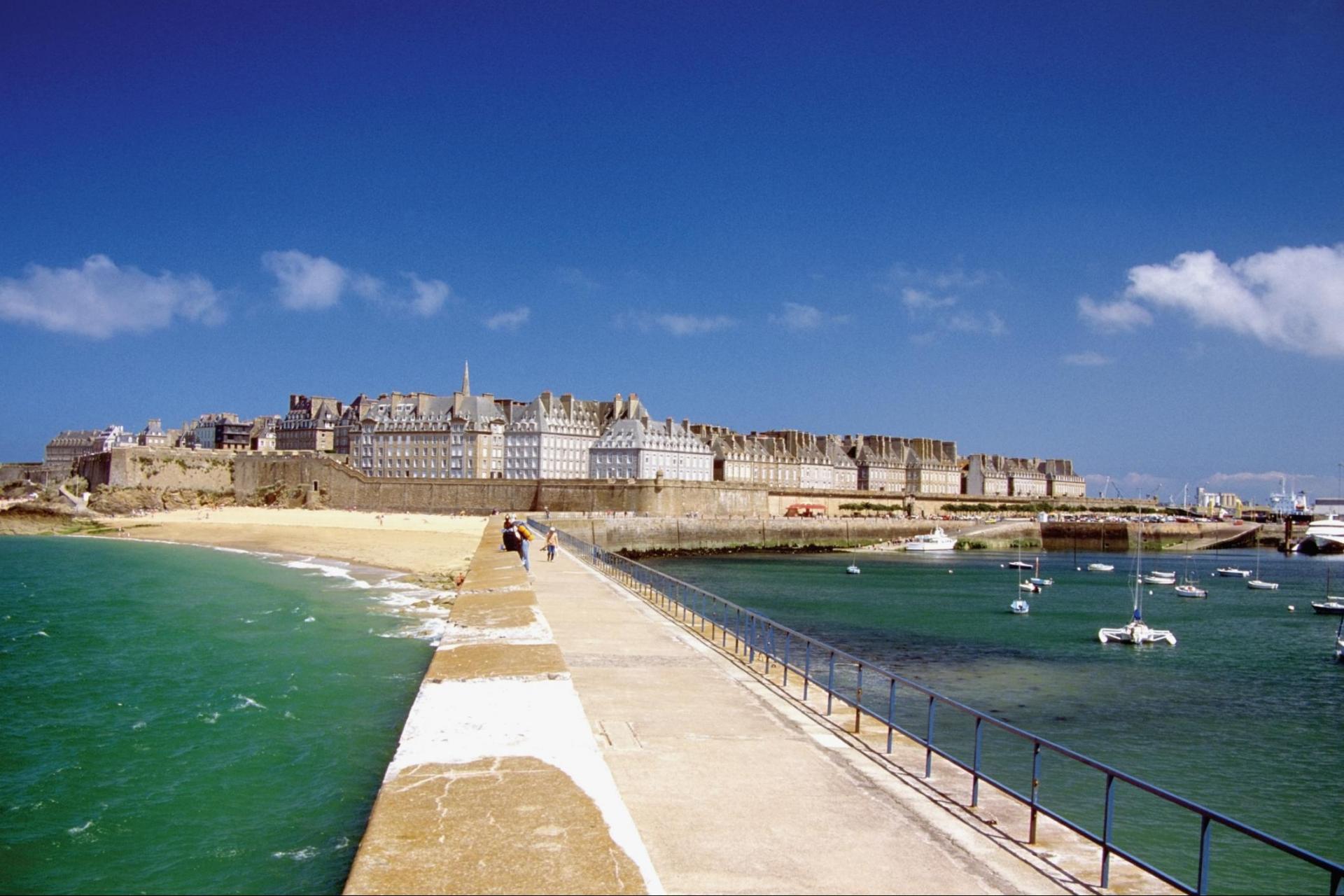
On the second day, you’ll leave Caen to head to Saint-Malo, home to legendary pirates and explorers such as Jacques Cartier, the discoverer of Canada. The historic center dates back to the 6th century, and although it was almost completely destroyed during World War II, it has lost none of its charm.
After a visit to the cathedral, you can recharge your batteries at Le Bistro Autour du beurre, an authentic spot that specializes in butter and seasonal ingredients. In the afternoon, the bus will take you to another world-famous destination: Mont St-Michel.
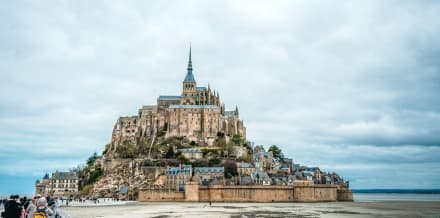
This town stands on a rocky islet surrounded by a large bay. In the Middle Ages, monks settled here and built the abbey that has survived to this day.
If you want to see it surrounded by the sea, I recommend checking the official website for tide schedules. After leaving Mont Saint-Michel, you’ll arrive in the French capital in the evening.
- Duration: 2 days
- Price: approximately €500
3. 3-day tour of Normandy with a visit to the Loire Valley castles

This tour is very similar to the previous one. The only difference is that it includes an extra day dedicated to visiting the Loire Valley castles.
Typically, the itinerary includes two castles— Château de Langeais and Château de Chambord —and the Château de Chenonceau. For more information, I recommend reading the post about day trips to the Loire Valley castles from Paris.
- Duration: 3 days
- Price: around €700
4. Gastronomic tour in Normandy
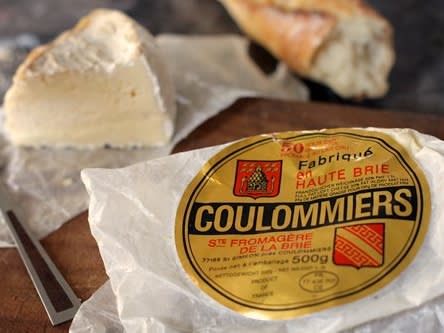
Normandy is a paradise for foodies. Many associate it with cheese, but that’s not its only draw: the fish and seafood are excellent, as are the lamb, duck, pork, and beef.
Tastings are usually held in Honfleur, a beautiful town on the Atlantic coast.
- Camembert, the region’s most famous cheese. In its birthplace, it is appreciated even more
- Livarot, with its characteristic orange rind and spicy aroma. It is usually enjoyed at the end of a meal paired with full-bodied wines or a glass of cider.
- Coulommiers, the dairy product that resembles Brie. It pairs very well with champagne or Alsatian wines
- Pont-L'Évêque, a soft cheese with a creamy center. It is the oldest in the region, and its origins presumably date back to the 12th century
- Cider, the famous alcoholic beverage made from apples. It can be sweet and light or dry and with a more assertive flavor
- Calvados, a brandy made from fermented apples with a low alcohol content and a hint of acidity. It is typically enjoyed both as an aperitif and with meals
Crepes are usually part of the menu, being an icon of the local culinary tradition. If you enjoy good food, upon your return to the capital, you can treat yourself to a culinary tour in Paris.
- Duration: approximately 12 hours
- Price: around €300
How to book a tour to Normandy

Paris is a major city, and there are thousands of things to see and do. My advice is to book your trips to Normandy in advance so you don’t have to go to a tourist center or the office of an agency specializing in guided tours.
Online, everything is simpler: just select the trip you like best and complete the payment in a few clicks. You’ll receive your tickets via email and won’t even need to print them.
Why is a tour of Normandy recommended?
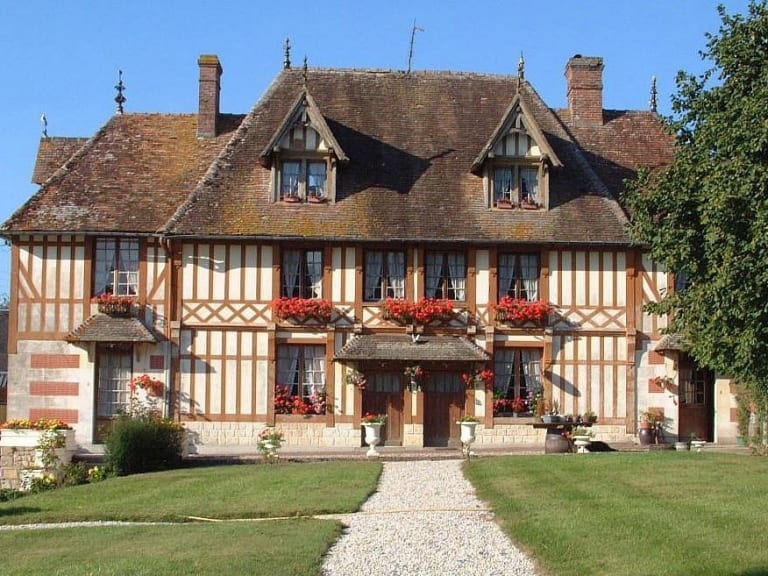
The region in northwestern France has a lot to offer. Its historical attractions and natural beauty make it one of the top 10 tours and excursions from Paris. I’ve put together a brief list of five reasons to leave the “City of Light” for a day or two:
- This is where Calvados, the famous apple brandy with a Protected Designation of Origin,is produced. There is a route called “La Route du Cidre” that winds through the countryside and the most picturesque villages. The Calvados Pierre Huet estate is usually a must-visit stop (Manoir la Brière des Fontaines, 5 Av. des Tilleuls, Cambremer)
- The famous Allied landing during World War II took place on Omaha Beach. Nearby are the American Cemetery, the fortified German bases, and the D-Day Museum
- This includes the splendid Mont Saint-Michel Abbey, which, depending on the tides, can be an island or a hill. For more information, I recommend reading the article on day trips to Mont Saint-Michel from Paris
- There are countless charming villages. Among the prettiest are Bayeux, Les Andelys, Honfleur, and Beuvron-en-Auge, though the list could go on
- Camembert is produced in Normandy, as well as Livarot, Pont-l’Évêque, and Neufchâtel cheeses. In local specialty shops, you’ll find the best dairy products in France
When is the best time to take a trip to Normandy?

To enjoy the beaches, you should visit the region in summer. During this season, temperatures rarely exceed 25°C, creating a cool and pleasant atmosphere.
If you visit Paris in June, a trip to Normandy is highly recommended. Additionally, D-Day is commemorated every June 6, while medieval festivals are held in July in Caen, Bayeux, Harcourt, and other towns.
When it comes to the transitional seasons, spring is preferable to fall. Temperatures aren’t much different, but rain is less frequent, and the sight of the blossoms is simply wonderful. If you enjoy live music, don’t miss Jazz sous les pommiers, a jazz festival held in May.
Can I travel to Normandy on my own?

Yes, you can. The easiest way is to rent a car at the airport or at agencies in the city. Once behind the wheel, take the A13 highway, which passes through the region’s main towns.
Travel time depends on the destination: it takes about an hour and a half to reach Rouen, while it takes at least three hours to reach Bayeux.
Alternatively, you can take a train from Saint-Lazare Station (bound for Caen or Bayeux). The trip takes 2 hours or a little longer. For more information on schedules and tickets, I recommend checking the French railways website.
What are the advantages of taking a tour versus visiting Normandy on my own?

It’s a very large region, and if you want to explore it on your own, you’ll need to research prices, itineraries, and accommodations if you’re staying for one or more nights. An organized tour saves you all that trouble.
Plus, you’ll travel in a comfortable, air-conditioned bus, and breakfast and dinner are usually included (especially on longer tours).
Another plus is that admission fees are also included. You may have to pay for a few extras, but the main expenses are covered.
If you’re staying in Paris for a week or more, you can take other short trips. For more ideas, I recommend reading the post on the best day trips from Paris.
Where can I eat?

As you read in the previous point, breakfast and dinner are usually included in the price. Therefore, you’ll only need to find a place for lunch. Here are some recommended options in Saint-Malo and Honfleur, two classic stops on two-day excursions:
- Le Cambusier, a French restaurant with a modern twist. It also offers lunch menus and dishes for vegetarians and vegans. It’s located at 6 Rue des Cordiers in Saint-Malo, just a stone’s throw from the old town
- Breizh Cafe, a crepe lover’s paradise. It has several locations in Saint-Malo, and I recommend checking the official website to view the menu and locations
- Chez D.D., a wine bar serving tasty snacks. It’s a two-minute walk from the port (28 Rue Cachin)
- La Cidrerie, a casual restaurant in Honfleur. I recommend trying their galettes, buckwheat crepes typical of Normandy. It also has an extensive dessert menu (26 Place Hamelin)
What should I pack for a trip to Normandy?

Trips to Normandy are usually long and, in some cases, last two or more days. You’ll see countless monuments, historic centers, and natural landscapes, and I’m sure you’ll want to take some photos. To keep your phone from dying, I recommend bringing a portable charger.
Keep in mind that rain is common throughout the year (with a peak during fall and winter). Be sure to pack a rain jacket and an umbrella in your backpack. If you have enough space, you should also bring a pair of rubber boots.
If you’re traveling to Paris in August and want to escape the city, you can bring a swimsuit. Don’t expect the same heat as the Mediterranean, but this is the best month to take a dip in the Atlantic. This “warm season” lasts until early September.