Porto vs Lisbon: which one is better?
Are you planning your vacation in Portugal and can't make up your mind? If the flight costs the same, you're faced with a difficult choice.

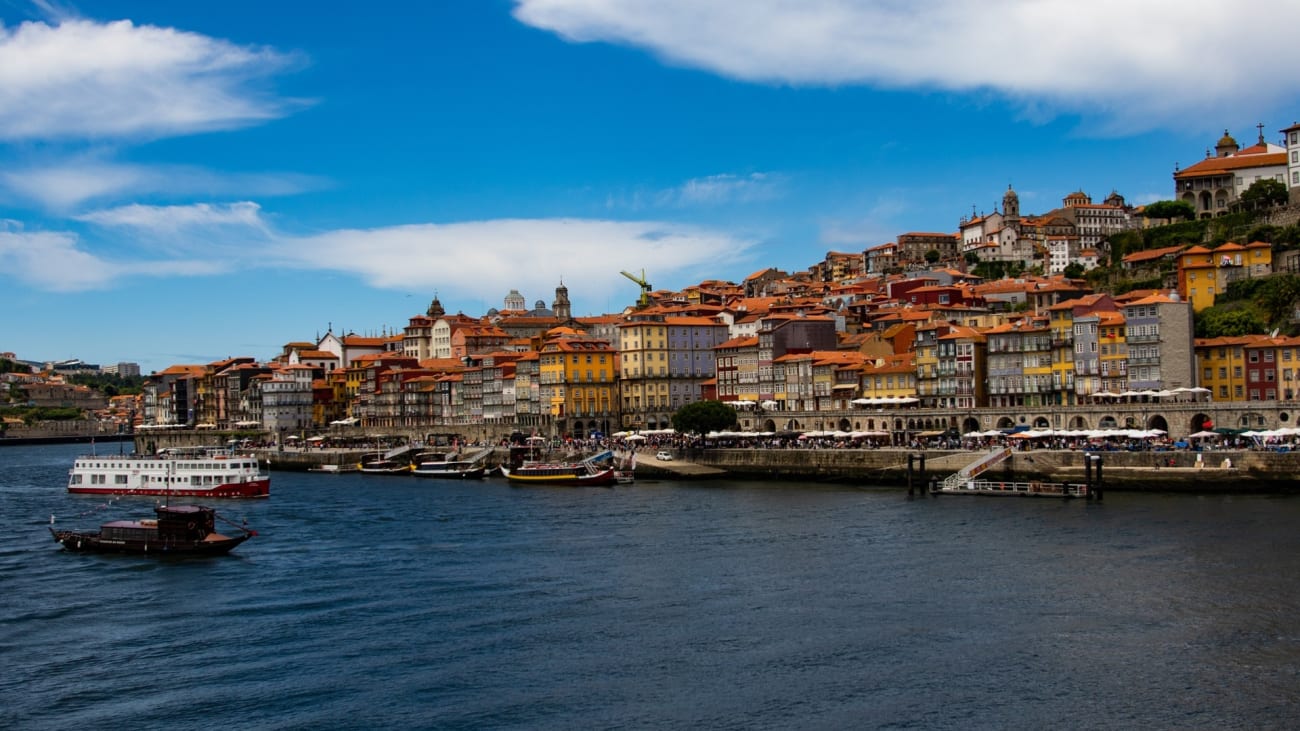
Porto, Portugal | ©Magda Ehlers
While the Portuguese capital is much more famous, Porto's reputation continues to grow. To help you choose, we have prepared a short guide summarizing the main characteristics of both destinations.
What will I see in Porto vs. what will I see in Lisbon?

Even if you have never been to Portugal, when you hear the name of the country, you will almost certainly think of Lisbon. The capital is the best-known city and has been a popular tourist destination for decades. Thousands of tourists choose it over its northern cousin because it has a greater number of monuments. However, Porto has a lot of charm and, although it has fewer places of interest, every year it becomes more beautiful to attract visitors.
The two Portuguese cities have always been rivals, and each has its own unique characteristics. In Porto, the most famous attractions are La Ribeira (a picturesque riverside promenade between the Dom Luís I and Arrábida bridges), the Lello e Irmão bookshop (an elegant store in a neo-Gothic building dating from 1906), and the Igreja e Torre dos Clérigos, a Baroque temple designed by architect Nicolau Nasoni, at the top of which is the best panoramic viewpoint in Porto.
In contrast, the main attractions of the Portuguese capital are the seaside neighborhood of Belém, (home to the finest examples of Manueline architecture: the Jerónimos Monastery and the Belém Tower), Praça do Comercio (the heart of Lisbon and a symbol of its rebirth after the Great Earthquake of 1755) and its picturesque viewpoints located at various points throughout the city of Camões, from Alfama to Barrio Alto.
Architecture of Porto vs. architecture of Lisbon
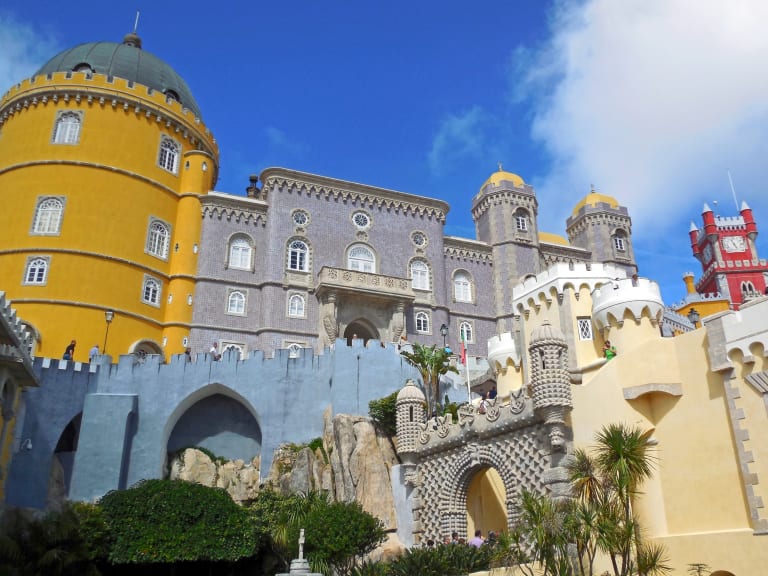
Lisbon is a little gem. Although there is no shortage of monuments and majestic buildings, its charm lies in its picturesque streets that wind their way between old, colorful buildings. Although these examples can also be found in Porto, this city is better known for its modern buildings designed by local and foreign star architects.
The two cities have a similar style: most of the buildings in the center date back to the colonial era, when Portugal ruled the seas and the wealthiest merchants built elegant buildings to demonstrate their power. You will see Gothic palaces and tiled facades in both destinations.
In contrast, the Manueline style (100% Portuguese) is more prevalent in the capital, although there are still examples in the northern city. The Pelourinho (an old pillory in front of the Cathedral) and the Igreja de Santa Clara (Largo Primeiro de Dezembro) are two clear examples.
Porto is known for its contemporary architecture. If you like this style, you should definitely see the new Vodafone headquarters (a futuristic structure designed by the Barbosa & Guimarães studio, Avenida da Boavista 2949), the Faculty of Architecture (a group of buildings overlooking the Douro River, Via Panorâmica Edgar Cardoso), the Casa do Cinema Manoel de Oliveira (commemorating Portuguese filmmaker Manoel de Oliveira), and the Fundaçao Serralves, Porto's contemporary art museum.
In the Portuguese capital, modern architecture is concentrated in the Parque das Nações. However, renowned architects Álvaro Siza Vieira and Eduardo Souto Moura have left a more significant mark on Porto.
Location of Porto vs. location of Lisbon

The two cities share a coastal location but do not have the same climate. Porto is located about 300 km further north, and this is reflected in the weather. Read on to discover their characteristics.
Porto is located in the north of the country at the mouth of the Douro River on the Atlantic Ocean. Being on the coast, its winters are not usually very cold, and the only drawback may be the rain. Statistically, November is the month with the highest rainfall, while July is the driest. During the summer, Porto is a pleasant place to visit, as the maximum temperatures do not usually exceed 30º.
As in Porto, November is the month with the highest rainfall, but unlike the other city, summer is not the best time to travel there. Don't get me wrong, the Portuguese capital is always worth a visit, but between June and the beginning of September, the heat and humidity can be noticeable.
If that weren't enough, tourists tend to fly here to enjoy the longer days and the light that floods its streets. In any case, I recommend reading the post on 10 things to do in Lisbon in the summer.
Gastronomic offerings in Porto vs. gastronomic offerings near Lisbon

The most important cities in the neighboring country share many dishes: both are located on the coast and Portugal is not very large. However, there are recipes that are very typical of Porto and others that originate in the capital. Keep reading, we have prepared a short list of the typical dishes of each:
Porto
Porto's dishes tend to be more substantial than those in the south. The first recipe perfectly illustrates this point:
- Francesinha, a sandwich that will leave you feeling full. The two slices of bread cover a pork loin steak, cooked ham, cheese, and spicy beer sauce. If you want to finish it, it's best to share it.
- Tripas à Moda do Porto, a stew made with offal and beans. The inhabitants of Porto are nicknamed "tripeiros" because in centuries past, the best meats left the city and its inhabitants had to eat the leftovers. However, this dish is very tasty and I encourage you to try it.
- Bifana, a roll filled with marinated pork and accompanied by tomato sauce. In Porto, the best ones are eaten at Conga, a traditional bar near the Rivoli Theater (Rua do Bonjardim 318, 4000-115 Porto, Portugal).
- Bacalhau à Gomes de Sá, a recipe created in the 19th century at the O Lisbonense restaurant in Porto. It consists of cod marinated in hot milk and cooked with potatoes, olives, parsley, and egg.
Lisbon
The city of Camões is a destination much loved for its food. The best known dishes are pastéis de nata, but the gastronomic offering is much broader. If you are a foodie and have decided to travel to the Portuguese capital, I recommend reading the post on the best food tours in Lisbon
- Bacalhau à Brás, a dish that originated in the Portuguese capital itself, created by Senhor Braz, a tavern owner in Bairro Alto. This recipe is made with flaked cod, potatoes, and eggs. It is usually garnished with black olives.
- Grilled sardines, very typical in Lisbon, especially during the festival of St. Anthony (June 13).
- Pastéis de Belém, the famous cream tarts that are still made according to the original 19th-century recipe. The temple of this dessert is located at Rua de Belém 84.
- Bolos de arroz, cupcakes made with rice flour.
Portugal has a rich gastronomy and during your vacation you will have the opportunity to taste many delicious dishes. Cod alone has thousands of variations and some recipes are popular throughout the country. In both cities, you can enjoy Piri Piri Chicken (with its delicious spicy sauce brought from Mozambique) or the traditional Pataniscas a la bacalhau (cod fritters). If you travel to Lisbon in winter, I recommend trying two soups: Caldeirada de bacalhau and Caldo Verde.
How to visit Porto vs. how to visit Lisbon

The Portuguese capital is larger than its northern cousin. Although it is much smaller than other European capitals, it is quite difficult to get around without taking the metro or a tram. If you stick to the old town neighborhoods, you can visit a good number of monuments, but if you don't want to walk too much, you can take an electric bike tour or a tuk tuk tour. These tours depart from a central location and take in the capital's most iconic sights. As for the price, it's usually around €30. If you're short on time and want to see the essentials, I recommend reading the post Lisbon in a day.
Porto is even smaller, and if you have a weekend, you can easily explore it on foot. In any case, if its steep hills put you off, there is a solution: a few tour operators offer Segway tours, bus tours, and river cruises. The cheapest option is the tourist bus, as it usually costs around €20.
What photos can you take in Porto and what photos can you take in Lisbon?

Both cities are a paradise for Instagrammers and fans of this noble art. Their decadent buildings and ubiquitous tiles are perfect for a stylish photo shoot. However, each has its own magical corners. Keep reading, let's start with the must-see places in Porto!
- Livraria Lello, the most beautiful bookstore in the world. It is said to have inspired J.K. Rowling while writing Harry Potter (Rua das Carmelitas, 144).
- Capela das Almas, a church whose walls are completely covered with white and blue tiles. It was built in the 18th century, but the tiles were added in 1929 (Rua de Santa Catarina 428).
- Rua de Cabo Simao, from this street you can enjoy an unparalleled view of the Douro River and the Luís I Bridge. It is located on the opposite bank of the city
The Portuguese capital is not to be outdone. There are numerous spots where you can immortalize the best moments of your vacation. Here are the top three in Lisbon:
- Belém Tower, a splendid watchtower in Neo-Manueline style. Its original decorations will leave you speechless. It is located on the banks of the Tagus and has a unique charm. To see it from a different perspective, you can opt for a cruise on the Tagus (Avenida Brasília).
- Porta do Sol viewpoint, perhaps the best panoramic viewpoint in the city of Camões. It is located in the Alfama district and offers a splendid view over the red roofs of the city center, the churches, and the National Pantheon (Largo Portas do Sol).
- Tram 28, the most famous line in the old town. The tram leaves from Campo Ourique and ends its journey at Praça Martim Moniz. The most beautiful part is in the Alfama district. Follow the tracks and find the most picturesque spot. In some places, the tram passes through very narrow streets.
Crowds in Porto vs. crowds in Lisbon

Portugal is a highly sought-after tourist destination. The country's architecture, cuisine, and affordable prices attract thousands of travelers. Being larger, the capital hosts a greater number of tourists, yet Porto can seem more crowded. In Lisbon, people are spread out over a larger area, while in Porto they are concentrated on the banks of the river and in the nearby old town.
Close to Porto's riverside promenade are the main attractions, such as the Vila Nova de Gaia wine cellars. In this area, you will find many tourists who often enjoy a glass of port at the famous Calém Cellars (Avenida de Diogo Leite 344) or the Sandeman Cellars (Largo Miguel Bombarda 3), which you will recognize by its typical figure depicting a man with a cape and hat.
Visit Lisbon and visit Porto, choose according to your travel plans
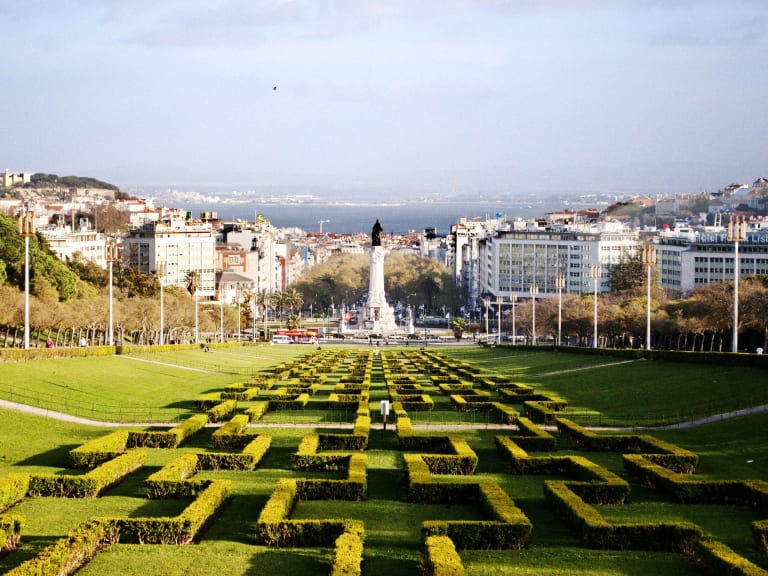
Beauty is subjective, and any destination can be more or less appreciated depending on each person's characteristics and what a traveler is looking for on their vacation. The list below will help you decide on your next destination.
- If you want to take good photos: Lisbon. Without detracting from the monuments and views of Porto, the Portuguese capital has a greater number of panoramic viewpoints and traditional neighborhoods that are a paradise for any Instagrammer.
- If you want a quiet visit: Porto. Although it is a growing tourist destination, most visitors choose the city of Camões. Porto is a more traditional city, and if you stray a little from the riverfront, you won't find many travelers.
- If you're short on time: Porto. This city in northern Portugal is smaller and can be easily explored on foot. The Portuguese capital, on the other hand, is more extensive, and if you want to explore it thoroughly, you'll need to take a bus or tram.
- If you're on a tight budget: it doesn't matter. Both places are affordable, and prices are generally lower than in Spain or other European countries.
- If you want to have a drink during your visit: Lisbon. Being a large city, it has a more varied range of leisure activities. Bairro Alto is the favorite place for young people, while Docas (under the 25 de Abril Bridge) is the most exclusive area.
- If you're interested in history: Lisbon. Not even the 1755 earthquake could destroy its historic buildings.
- If you are interested in modern architecture: Porto. This northern city was the birthplace of two internationally renowned architects: Álvaro Siza Vieira and Eduardo Souto Moura.
- If you want to visit nearby towns: it doesn't matter. From Lisbon, you can visit Cascais, Sintra, and Evora (to name a few), while from Porto, you can easily reach Braga, Guimarães, and Aveiro, the Portuguese Venice.
Conclusions

There is no need to sing the praises of Lisbon, the city of Camões has a unique charm and a rich history that derives from its status as a capital. If you are looking for a destination with good food, interesting museums, and stunning viewpoints, Lisbon is the city for you. Here you can relive history, see the traces of the 1755 earthquake, and imagine Portuguese caravels leaving the port of Belém, right next to the iconic tower.
On the other hand, if you prefer to explore a slightly different destination with a more modern focus, Porto is the ideal choice. Street art has revolutionized this northern city, with works by local artists adorning the Trindade metro station, Rua de Sá de Noronha, and other streets in the center. Contemporary architecture is another irresistible attraction , as is the Parque da Cidade, a green space of rare beauty designed by landscape architect Sidónio Pardal.