










More about: Madrid in 5 Days: tips, what to see, and much more
Five days might seem like a long time to spend in Madrid. However, it’s the perfect length of stay to see everything at a leisurely pace, and it also allows you to take a couple of day trips to explore some nearby places of great historical and artistic interest.
To help you make the most of your stay, I’ve put together an itinerary featuring the most interesting sites, from its monuments to its palaces, not to mention its parks and squares. Just go with the flow and try to enjoy yourself to the fullest.
Day 1: Discover the Madrid of the Habsburgs

There’s nothing better than starting your trip with a tour of the area known as Madrid de los Austrias, the oldest and most authentic part of the city. As the city’s historic center, its streets are packed with must-see attractions, so I recommend taking a leisurely stroll while taking in every corner.
One option for this tour is to book one of the organized tours that cover the center of Madrid. This way, you’ll not only ensure you reach every site without getting lost or wasting time, but you’ll also receive interesting information about what you’re seeing.
Another option is to use one of Madrid’s sightseeing buses. With them, you can hop on and off whenever you like, and it’s an excellent way to get a first impression of the city before exploring further at your own pace.
Start the tour at Plaza de España
The itinerary begins at Plaza de España, which you can easily reach by metro. From here, you’ll be able to see the beginning (or end) of Gran Vía, one of the capital’s most important streets.
In the square itself, you’ll find the Monument to Cervantes, as well as two interesting fountains. There’s also the Parish Church of Santa Teresa and San José, a beautiful Neo-Gothic church.
If you’d like to start your day by exploring an interior, this square offers access to two floors of the Palacio de Godoy, a site of great historical significance for both Madrid and the entire country. Finally, Plaza de España is flanked by two of the city’s most iconic skyscrapers: the Torre de Madrid and the Edificio España (now the Riu Plaza España hotel).
Admire the Teatro Real
Right next to the square is the Teatro Real, the country’s premier opera house. Built in 1850, its latest renovation has given it a capacity for over 1,700 spectators.
If you have the chance, the best way to see the interior is to attend a performance, but if you can’t or aren’t interested, you can also book a guided tour.
Step inside the Almudena Cathedral
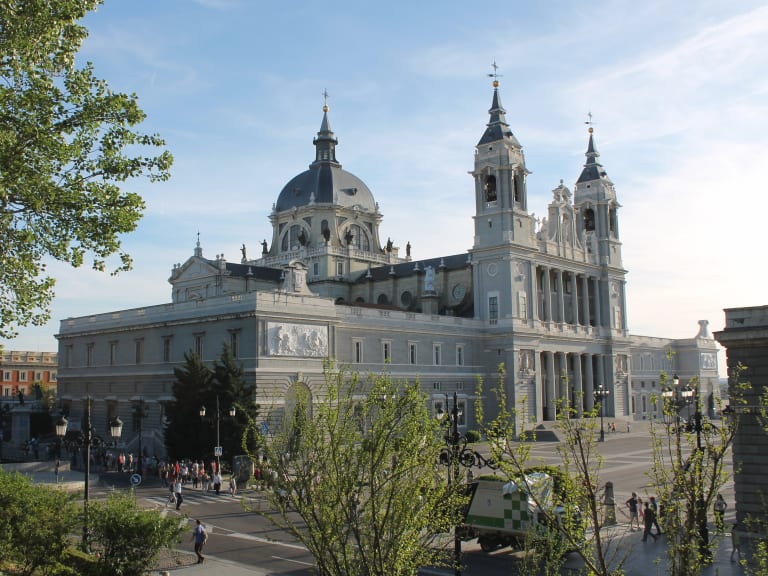
Madrid’s most important church can be visited without paying an admission fee. Its turbulent history, marked by several design changes, has resulted in a rather eclectic and undefined style, but it is still well worth a visit.
Inside, highlights include the altar of Santa María la Real de la Almudena, the Baptistery, the colorful stained-glass windows, and, above all, the crypt.
During the guided tour of the Almudena Cathedral, you can also visit a museum housing important religious and historical artifacts (admission is about €6 and includes access to the dome).
Don’t miss a visit to the Royal Palace
A visit to the Royal Palace of Madrid is almost a must when traveling to Madrid. Along with the nearby Sabatini Gardens (which you shouldn’t miss either), it is one of the capital’s most important historical sites.
Before entering, take a look at the statues representing the Visigothic kings on display in the square where the palace is located.
As for the palace tour, it’s best to book a guided tour or, if that’s not possible, purchase a skip-the-line ticket. Inside, as you can read in this article, you’ll be able to see various rooms of great interest, such as the state rooms, the Royal Armory, and the Royal Pharmacy.
Plaza Mayor, the heart of historic Madrid
After finishing your visit to the Royal Palace, head to Calle Mayor, which leads to the most famous spot in historic Madrid: the Plaza Mayor. This large square is known for the lively atmosphere you’ll always find there. Under its arcades, restaurants sit alongside stalls selling stamps and other items, and I recommend taking a leisurely stroll around its perimeter.
The square also features a large number of historic buildings (such as the Casa de la Panadería), several beautiful arches (such as the Cuchilleros Arch), and a statue of Philip II located in its center.
If you want to do something truly traditional, you can grab one of the square’s famous calamari sandwiches at one of the local spots. If you’d prefer something else, the next stop on the tour will satisfy your culinary tastes.
Grab a bite at the San Miguel Market

Near the Plaza Mayor is what was once the city’s first food market, the San Miguel Market. If you haven’t been able to take a tapas and wine tour of Madrid, here you’ll find some of the most traditional dishes, as well as more modern creations.
The market is known for sourcing high-quality ingredients from all corners of the country. Once there, dishes made with these ingredients are offered at its more than 60 stalls.
Feel like you’re in the heart of the country at Puerta del Sol
I hope you’ve saved some room for dessert, because as you leave the Plaza Mayor heading toward the Puerta del Sol, I suggest you stop by the San Ginés chocolate shop, one of the most traditional in the entire city. Although its signature dish is churros with hot chocolate, you can always try one of its other specialties.
Next, it’s time to continue down Calle Mayor. Strolling at a leisurely pace, you’ll arrive at one of Madrid’s most famous landmarks, if only because it appears on TV every December 31st during the broadcast of the New Year’s Eve chimes.
At the always bustling Puerta del Sol, you’ll see the plaque marking it as Kilometer 0 of the country’s road network, as well as another landmark that has become one of the capital’s most recognizable features: the Tío Pepe billboard. Of course, you’ll also find the statue of the Bear and the Strawberry Tree, one of the city’s symbols. From Puerta del Sol, you can head to Calle Preciados, which is lined with shops.
End the day on Gran Vía
The final stop on this first day is Gran Vía, one of Madrid’s most important avenues. On this street, you’ll see two well-known buildings: the Metropolis and the Carrión Building, atop which sits a famous Schweppes sign.
However, what truly defines this street is its atmosphere. It’s lined with restaurants, shops, movie theaters, and playhouses. In fact, in recent years it’s been nicknamed Madrid’s Broadway.
My suggestion is that, after strolling down this thoroughfare, you treat yourself to one of the shows regularly performed in its theaters. The most popular ones, at least over the past decade, have been musicals, and I’m sure you’ll find one you’ll enjoy. Once the show is over, all that’s left is to find a place for dinner and head back to rest up so you’ll have the energy for the next day.
Day 2: Museums and Parks
The second day in Madrid will, in principle, be less hectic than the first. This doesn’t mean it will be any less interesting or tiring, as it will start with visits to two of the country’s most important museums. Afterward, in a more relaxed way, you’ll get to explore one of the city’s most famous parks.
Joaquín’s Traveler Tip
A great way to save money on admission to the Prado and the Reina Sofía is to get the combined ticket, which includes guided tours of both museums.
The Wonders of the Prado Museum
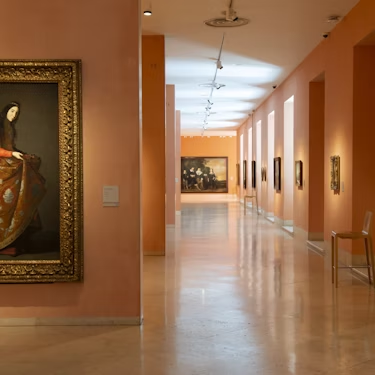
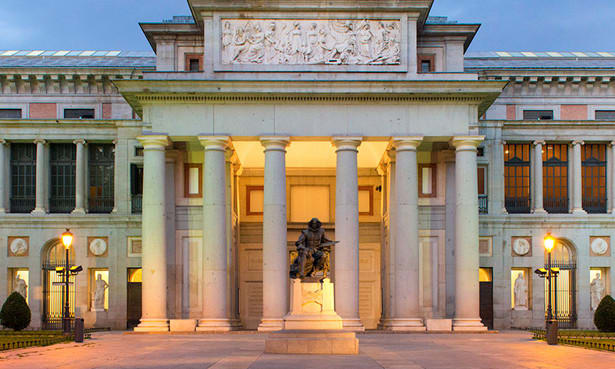
Visiting the Prado Museum is an absolute must when traveling to Madrid. It’s no wonder it’s one of the most important museums in the world, as evidenced by the list of masterpieces housed within its walls.
My recommendation is to book your ticket to the Prado Museum as soon as possible. While you can certainly explore on your own, you might also consider booking a guided tour. Having a guide take you to the most interesting areas and explain the works will save you time and, above all, allow you to enjoy the visit much more.
Once you finish your visit—which will take at least two and a half hours (if you move quickly)—I recommend stopping by the Prado Museum shop and then recharging your energy at a nearby café.
Reina Sofia Museum, another of Madrid’s greats
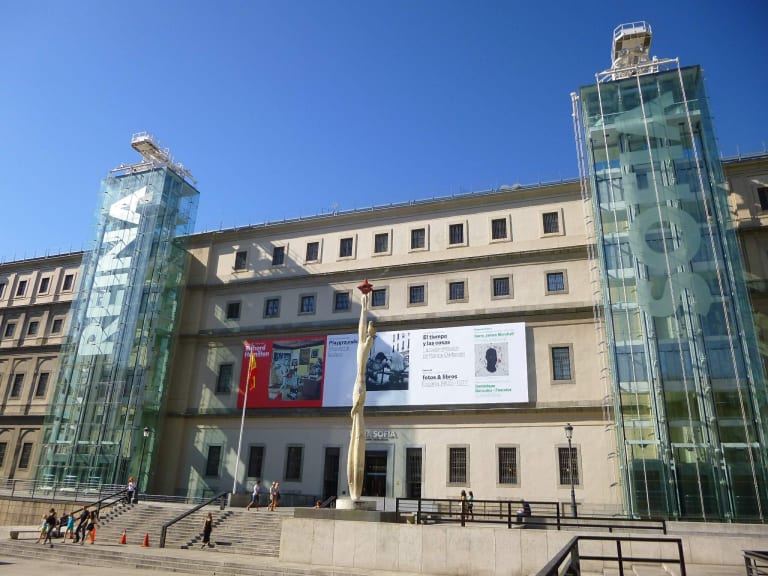
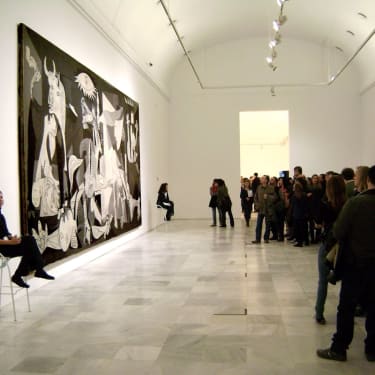
On the same street as the Prado is another of Madrid’s most important museums. With a visit to the Reina Sofía, you’ll be able to admire one of the most extensive collections of contemporary art in the world, featuring works by artists such as Picasso, Dalí, and Miró.
To see the best works at the Reina Sofía Museum, I recommend two options: buy skip-the-line tickets (if you want to explore on your own) or book a guided tour to get expert commentary.
Lunch and a stroll to Cibeles
Next on the agenda is finding a restaurant near the Prado Museum to grab a bite to eat and relax after a busy morning. When you’re done, you can take a stroll along the Paseo del Prado toward Cibeles. Along the way, you’ll see the Neptune Fountain and the spectacular Ritz Hotel.
Once at Plaza de Cibeles, you’ll see the fountain featuring the statue of the Roman goddess after whom it’s named. In the same area, you can also admire the Bank of Spain building and the Cibeles Palace.
The latter building houses a fantastic observation deck with great views of the capital, as well as a terrace bar from which you can enjoy practically the same panoramic view. Admission to the observation deck costs about €3, while drinks at the terrace bar will be significantly more expensive (about €6 for a beer, for example).
A relaxing afternoon in the Retiro
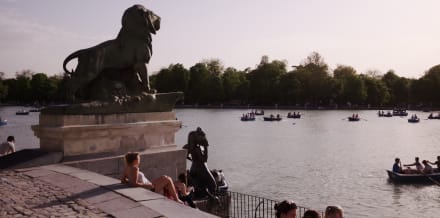
The Retiro Park is Madrid’s great green lung, and its 135 hectares are full of secrets to discover and street performers to enjoy. This large garden opened in 1868 and attracts numerous tourists and locals every day. A great way to explore the park is by bike, but you can also choose to stroll its paths at your own pace or book a tour of the Retiro.
Among the must-see spots are the pond, the
Crystal Palace, the monument to Alfonso XII, the Paseo de la Argentina, the Astronomical Observatory, and the Gate of Philip IV.
Likewise, you can’t visit the Retiro without strolling through the Parterre gardens, filled with exotic trees.
See the Puerta de Alcalá
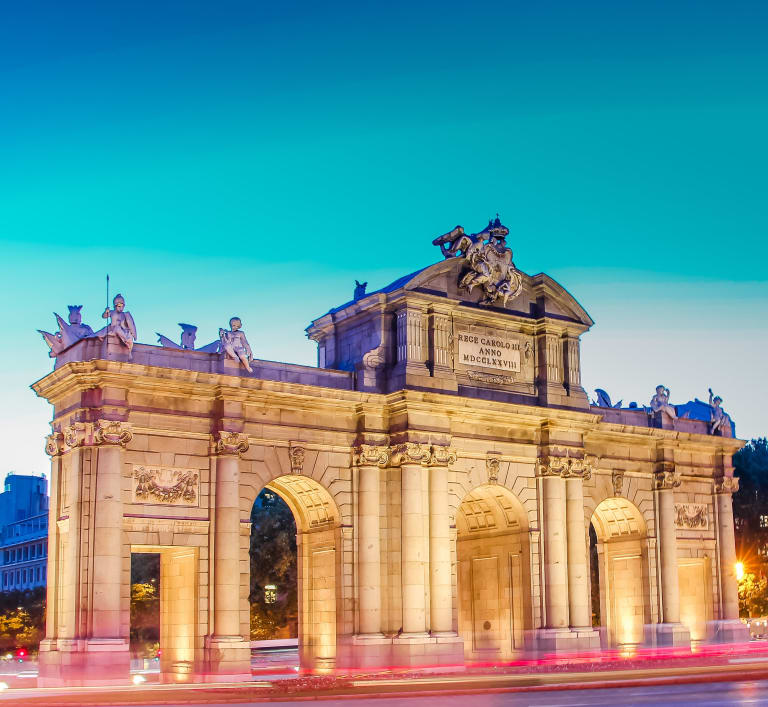
To leave the Retiro, look for the exit closest to Plaza de la Independencia. There you’ll find one of the five royal gates through which people entered the city of Madrid: the Puerta de Alcalá.
Now a symbol of the city, this triumphal arch was built during the reign of Charles III, nicknamed “Madrid’s best mayor” for his role in transforming the town into a major metropolis.
Dinner in the Chamberí neighborhood
To reach the next stop on the tour, the Chamberí neighborhood, you can take a long walk or, more comfortably, take Metro Line 2. If you have time—since it closes at 8 p.m.—it’s well worth visiting the museum housed in the former Chamberí Metro station. It was closed in 1966 but was later restored and opened to the public so visitors could see what this mode of transport was like in the early 20th century.
Another interesting building is Fire Station No. 1, the oldest in the city. It’s worth taking a look at its Neo-Mudéjar-style façade, built at the beginning of the last century. Likewise, you shouldn’t miss the Maudes Palace. It was once a hospital for day laborers and is now the headquarters of the regional Ministry of Transportation.
When you start to get hungry, just choose from one of the many restaurants in the neighborhood, such as Lacabia (84 Alonso Cano St.), Bizikletak (Gaztambide St.), or ToriKey (Rios Rosas St.).
3. Day Trip to Toledo and Segovia
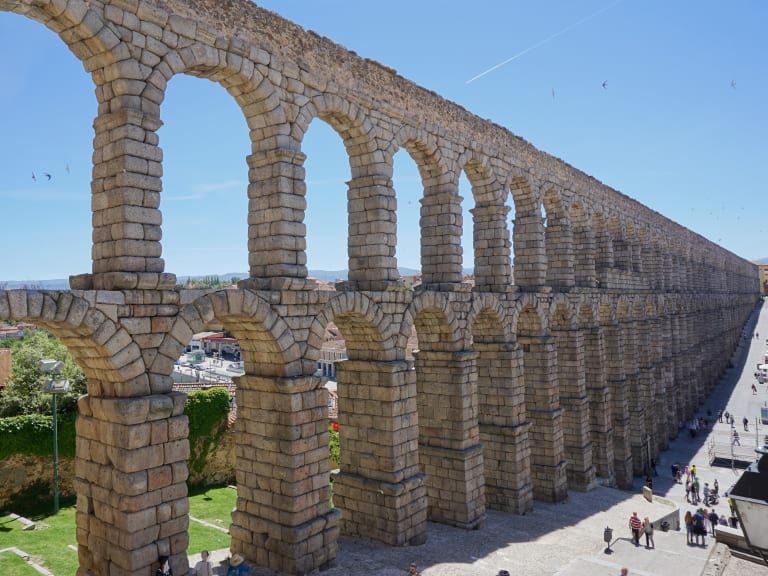
One of Madrid’s greatest attractions is its proximity and excellent transportation links to some truly beautiful cities. For this third day, I suggest you take advantage of this to take a day trip to Toledo, a UNESCO World Heritage Site; book a tour to Segovia, with all its magnificent monuments; or even opt for the combo and book a tour to Toledo, Ávila, and Segovia from Madrid
Toledo’s Old Town
The tour of this beautiful city usually begins at Plaza de Zocodover, the ideal spot to start wandering through the narrow streets of its historic center. In total, the tour of the sights of El Greco’s city will last about 3 hours.
Accompanied by a guide who will explain the history of every corner of the city, the tour then continues to the Primatial Cathedral, which you can explore on your own during the free time you’ll have at the end of the itinerary.
Discover the secrets of Segovia
With a 2,516-meter-long wall, 2,500 battlements, and 87 towers, the city of Segovia is one of the most beautiful in the entire country. On this tour, you’ll have 3 hours to explore it accompanied by an expert guide.
Its Gothic-style cathedral was built in the mid-16th century and is a must-see for everyone visiting this city. The same goes for the fantastic medieval Alcázar, a UNESCO World Heritage Site, with admission included in the tour price.
The city’s most famous landmark is undoubtedly its splendid aqueduct, which is, of course, also part of this tour.
4. Day Trip to El Escorial and Afternoon at Casa de Campo

For your fourth day in Madrid, I recommend taking a half-day trip to the nearby Monastery of El Escorial. Later, you can enjoy a quiet afternoon at Casa de Campo, a perfect spot to spend a few hours if you’re visiting Madrid with children.
El Escorial Monastery: the eighth wonder of the world
If you want to take a guided tour of El Escorial, the easiest option is to book one of the tours that depart from the capital and avoid the hassle of buying tickets and handling other practical details. Plus, you’ll have the advantage of an expert guide who will orient you and explain the history during the visit.
The monastery, actually a monumental complex, was built to commemorate the Spanish victory at the Battle of San Quintín and to serve as the burial place for Spanish monarchs. Its enormous size was also an attempt to make it a symbol of Spain’s power at that time.
The tour, which lasts about two hours, includes the Mausoleum of the Kings and Princes, the Chapter House, the basilica, and the palace.
Recall the horrors of war at the Valley of the Fallen
Before returning to Madrid, this excursion typically includes a visit to the Valley of the Fallen from Madrid, located 9 kilometers from El Escorial.
This site was built by Franco’s regime with the intention of serving as a tribute to those who died in the Spanish Civil War. Although controversial, the visit can help you better understand the historical context in which it was built and its symbolism.
Casa de Campo

Back in Madrid, the itinerary continues through another of the city’s major green spaces: Casa de Campo. There’s no better way to reach this large park than by funicular. This mode of transport, which departs from the Paseo Pintor Rosales station, covers 2.5 kilometers in eleven minutes and allows you to enjoy the beautiful landscapes of this part of the capital from above.
The Casa de Campo was built, like so many other parks, to serve as a recreational area for the monarchy. Today, all its attractions have turned it into a place where many families spend their holidays, while tourists enjoy everything there is to see and do there. One of the main attractions is its artificial lake. If you’d like, you can rent a boat for a leisurely ride or, for the more athletic, hop into a canoe and paddle for a while.
Next to the lake is an entomological center that will delight nature lovers with its collection of over 15,000 specimens of various types of butterflies and beetles. Another popular spot, especially for those visiting with children, is the Madrid Zoo, though it may not attract as many visitors as the nearby amusement park.
Watch the sunset from the Temple of Debod
Back on Paseo del Pintor Rosales, there’s one last spot to visit. Nearby is the Temple of Debod, an authentic Egyptian temple gifted to Spain in gratitude for its help in relocating Abu Simbel.
In addition to exploring the temple, I recommend heading to the nearby viewpoint to watch the sunset from there, as the views are well worth it.
Later, all that’s left is to head back to your hotel area and find a place to have dinner along the way before turning in for the night.
Day 5: From the Bernabéu to reliving Madrid’s movida
As you’ve seen, Madrid offers plenty to do, and to wrap up your stay, I’ve planned some visits starting in the capital’s most modern district.
At the end of the day, there’s nothing better than experiencing Madrid’s vibrant nightlife in the neighborhood where the famous Movida was born.
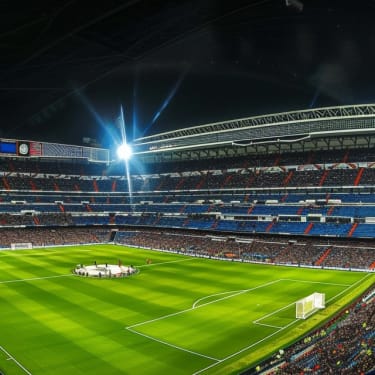
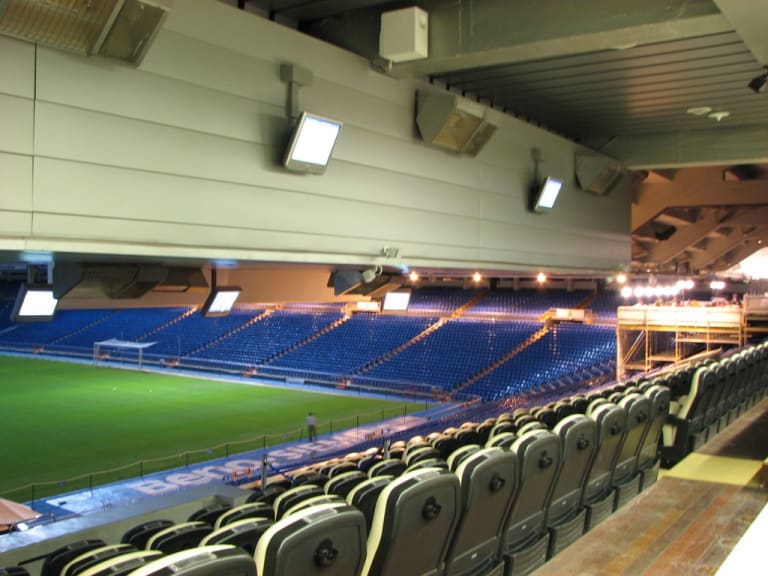
If you’re a soccer fan, don’t miss the tour of the Santiago Bernabéu Stadium
Although if you don’t like soccer, you can swap this tour for any other that appeals to you more; the success of the Bernabéu tour is evidenced by the fact that it is the third most-visited museum in the entire city.
This means you should book your tour well in advance to avoid waiting in line before entering. The tour includes exhibits on the club’s history, as well as access to the locker rooms, the benches, and the presidential box, among other things.
The Modernity of Plaza Castilla
Leaving the stadium, you’ll find one of the most modern areas in the entire city. As you walk, you’ll reach Plaza de Castilla, surrounded by several of Madrid’s most imposing skyscrapers. Undoubtedly, the best-known buildings are the so-called Kio Towers, with their characteristic tilt.
In the plaza, you’ll also find a monument built during the Franco regime that partly follows the architectural norms typical of fascism.
Nearby is an obelisk designed by Santiago Calatrava, as well as a large cultural exhibition center located in a former underground water reservoir.
Experience the atmosphere of the Chueca neighborhood

To reach the next stop on the itinerary, take Metro Line 1 to the Tribunal stop. Just a few minutes away is the Chueca neighborhood, one of the liveliest in the entire city.
The streets of this modern, commercial neighborhood are always bustling with life. Before exploring it, stop by the San Antón Market, where you’ll find numerous food stalls spread across its three floors.
The neighborhood, known for the glamour of its shops and cafés, also boasts several historic buildings worth seeing as you stroll through its streets. While you’re sure to find more, here are some of the most interesting ones:
- Museum of Romanticism: located inside a palace, this museum houses over two thousand items from the 19th century. A great way to spend some time is to sit for a while in its café while listening to the water falling from the fountain in the inner courtyard.
- Museum of the History of Madrid: although not very well known, this museum, located in a former Baroque-style hospice, is perfect for those who want to delve deeper into the city’s history.
- Church of San Antón: on Hortaleza Street, you can see this interesting Baroque-style church.
- The House of the 7 Chimneys: The building is considered one of the finest examples of 16th-century architecture in Madrid. Located in Plaza del Rey, the legends surrounding it are almost as fascinating as its architecture. One of them, for example, claims that the seven chimneys that give it its name represent the seven deadly sins, while another story asserts that an illegitimate daughter of Philip II was confined there and that her spirit still roams its corridors.
End your visit to Madrid with one last stroll
A stroll down Calle Fuencarral, one of Madrid’s busiest shopping streets, is a great way to do some last-minute shopping. The street is known for its youth fashion stores, which give it a lively atmosphere all day long.
When night falls, I recommend you experience a bit of Madrid’s nightlife. One option is to head to the area around Plaza Dos de Mayo in Malasaña.
This area, considered one of the birthplaces of the popular Movida Madrileña of the 1980s, is full of pubs and bars for all tastes. In many of them, you’ll be able to enjoy live performances.