

More about: 10 Things to Do in Krakow in February
Booking a flight to the capital of Lower Silesia will give you the chance to discover a charming city without breaking the bank. And when the temperature drops, you can warm up with some Polish comfort food or a cup of mulled wine.
1. Try the local delicacies on a food tour
February is the third coldest month of the year. Fortunately, you can warm up with the hearty dishes of Polish cuisine. Local cuisine is heavily influenced by neighboring countries—especially Lithuania, Hungary, Russia, and Germany—as well as by places farther afield. For example, Italian influence dates back to the 13th and 14th centuries, when there were significant trade ties with Genoa, Florence, and Venice.
Another culture that has left its mark is Turkish, as spices and coffee reached Poland through contacts with the Ottoman Empire. The result is a varied, flavorful cuisine that’s perfect for fighting the cold. Below is a brief list of dishes you absolutely must try—and you’re sure to have the chance if you book a food tour of the Jewish Quarter:
- Pierogi, the ultimate comfort food. These are thin-dough dumplings with various fillings: meat, mushrooms, seasonal fruit (blueberries, strawberries, and cherries), buckwheat, cottage cheese, or potatoes with fried onions.
- Golabki, minced pork with rice, onions, and mushrooms wrapped in a white cabbage leaf.
- Oscypek, a semi-hard cheese made by blending cow’s and sheep’s milk. It’s served warm and is usually accompanied by a red berry jam.
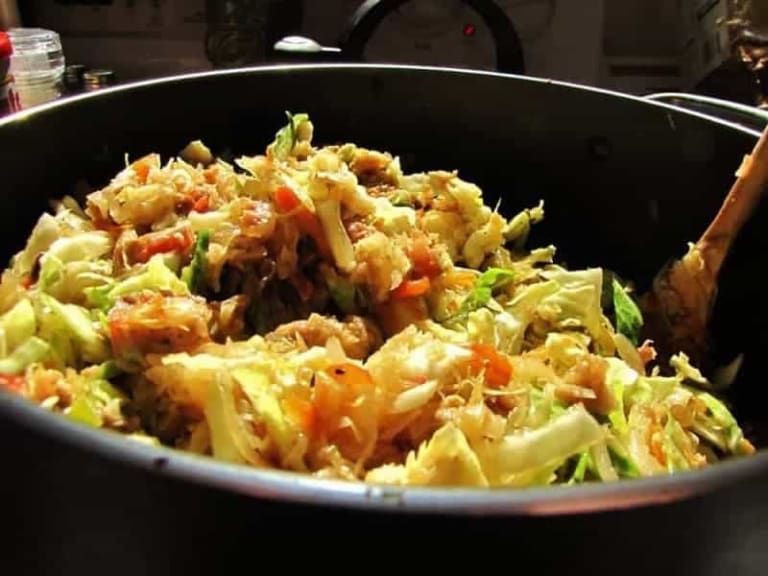
- Bigos, the hunters’ dish. The traditional recipe calls for sauerkraut, various types of fresh meats, sausages, mushrooms, and prunes.
- Czernina, a soup made from duck or goose blood. In 19th-century rural Poland, being served this dish meant your marriage proposal had been rejected. Today, however, it is a highly regarded dish.
If you want to learn more about the local cuisine, I recommend reading the article on the best restaurants in Kraków.
2. Glide across the ice

From mid-December through late February, Kraków features an ice skating rink. The facility is located in Jordan Park and the nearby Błonia Meadow (both on Al. 3 Maja).
This area features playgrounds, basketball courts, and volleyball courts, making it a favorite spot for children and families. During the winter months, these places become popular destinations for sports.
The ice rink consists of three areas: a large 1,200-square-meter square, a ring, and a 400-square-meter area where kids can practice their skills. It is open every day of the week from 9 a.m. to 9 p.m. However, on Fridays and Sundays, it closes at 10 p.m. You can rent all the equipment on-site. In this part of Krakow, you can also go sledding. If you’d like more details, book a tour of Krakow’s Old Town to get the latest information.
3. Admire one of Leonardo’s most famous paintings

A museum is always a good option to stay warm. In Krakow, one of the most interesting cultural institutions is the Czartoryski Museum, which houses antique pieces including furniture, porcelain, and weapons. However, the highlight is Leonardo da Vinci’s Lady with an Ermine, and you can enter comfortably and for free if you book the Krakow Card with museum and transport passes.
The painting was acquired by the Polish nobleman Adam Jerzy Czartoryski during a trip to Italy, along with a portrait of a young man painted by Raphael. Lady with an Ermine depicts Cecilia Gallerani, the young mistress of the Duke of Milan, Ludovico Sforza, nicknamed “the Moor.” The ermine symbolizes the girl’s purity and also alludes to her surname, as in Greek, this animal is called “galle.” It is one of Leonardo’s best-preserved paintings.
4. Discover the charming side of Krakow

When temperatures drop, there’s nothing better than warming up with a hot cup of coffee and a chocolate bonbon on the side. If that sounds like your kind of thing, we’ve got the perfect activity for you. Every year, the Chemobudowa Shopping Center (ul. Klimeckiego, 14) hosts the Chocolate and Coffee Festival, which isn’t limited to cocoa-based treats—it also features doughnuts, ice cream, and other sweet delicacies.
Plus, visitors will have the chance to admire an exhibition of chocolate figures and other decorations. Kids usually love this activity. If you’re looking for other ideas, I recommend reading the post “10 Things to Do in Krakow with Kids.”
5. Take your kids to Nowa Huta

If you’re passionate about Soviet history, in Krakow you’ll find Nowa Huta, a city designed and built according to the principles of Socialist Realism. The architects planned everything down to the smallest detail: the apartment blocks had central heating and running water, residents could park their cars in underground garages, the wide streets were designed to prevent the spread of fire, and the extensive system of bunkers and underground tunnels could have sheltered the entire population in the event of a nuclear attack.
Booking a tour of Nowa Huta is a must. It’s a showcase of the Soviet regime, which sought to demonstrate the superiority of socialism through the construction of this city. In February, you’ll have one more reason to visit this unique neighborhood: the Children’s Theater Festival, a series of theatrical performances designed specifically for young audiences.
The festival takes place at the Nowa Huta Cultural Center. To get there, you can take the tram from Teatr Slowackiego (near the train station). Lines 4 and 70 will take you to Nowa Huta in about 20 minutes. If you’re interested in other day trips, I recommend reading the post “What to See and Do Around Krakow.”
6. End your day of sightseeing with a hot beer

To combat the cold, there’s nothing better than a hot drink. If you’re tired of coffee and tea, you can opt for a hot beer. Yes, you heard that right. In Poland, this amber-colored elixir is often consumed warm and with spices to enhance its flavor.
Usually, establishments add ginger (imbirowy) or raspberry (malinowy), though there’s also a version that uses oranges, a touch of honey, and an egg yolk. Hot beer is typically enjoyed in the late afternoon or at night when temperatures start to plummet. If you’d like to try this Polish specialty, I recommend the following options:
- Eszeweria (ul. Józefa 9).
- KORBA Piwo Kawiarnia (plac Jana Matejki 6).
- Arkady Cafe & Cocktail Bar (Sukiennice, Rynek Główny 1).
- C.K. Browar (Podwale 7).
- Ambasada Śledzia (Stolarska 8/10).
- Pierwszy Lokal na Stolarskiej (6 Stolarska St.).
7. Head to Krzysztofory Palace

Nativity scenes are very common in Christian tradition. The first nativity scene dates back to 1223 and is linked to the figure of St. Francis of Assisi. However, this custom took root in Europe and, upon its arrival in Poland, acquired some unique characteristics.
Szopki are original nativity scenes; they resemble colorful castles or elaborate dollhouses. The common thread is Kraków’s typical architecture, which is why you’ll see spires and pinnacles reminiscent of St. Mary’s Basilica. They often include figures of historical figures, saints, artists, and characters from legends.
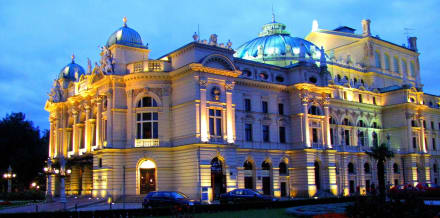
Although they are created during the last month of the year, the best ones are exhibited at Krzysztofory Palace, a Baroque building that currently houses the city’s Historical Museum. The exhibition runs through February, and I recommend visiting it because you’ll discover a facet of local culture and be able to shelter from the cold. You can get there easily by booking the Kraków sightseeing bus.
8. Take a romantic Valentine’s Day stroll

As you stroll through the Market Square (Sukiennice), you’ll see carriages drawn by beautiful horses. The drivers usually take a route through the Old Town that ends at the foot of the castle.
In any case, you can request changes to the route for a small extra fee. It can be an unusual way to explore the streets of downtown and enjoy the charm of Krakow. Typically, these carriage rides cost around 200–250 zloty. A good alternative might be a river cruise on the Vistula.
9. Take a day off at a spa
With an average temperature of -2°C, February is one of the coldest months in Kraków. Fortunately, there are several ways to avoid freezing, such as visiting a spa. Some hotels in the Old Town are known for their facilities. Just 300 meters from St. Mary’s Basilica is the Unicus Palace, a five-star hotel featuring an indoor pool, a hammam, and a hot tub.
Another noteworthy option is the Hotel Copernicus, housed in a Renaissance building on Kanonicza Street, one of the city’s oldest streets. If you’re fascinated by the East, you might choose the Farmona Wellness & SPA, which offers an exclusive program designed by Bali’s top therapists. In this case, you’ll need to venture a bit outside the city, but I assure you the experience is well worth it.
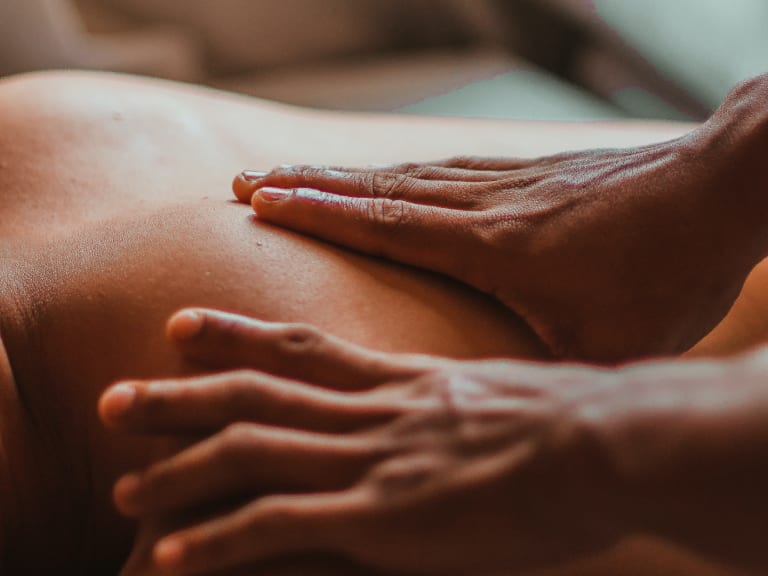
If you’re traveling as a couple, this is an ideal option. After a rejuvenating massage, you can round out the day with dinner at a romantic restaurant. One of the most elegant spots is Pod Nosem, located on the ground floor of a residence at 22 Kanoniczna Street. Its menu changes monthly to reflect seasonal ingredients.
10. Learn to cook pierogi

Pierogi are delicious dumplings that are a cross between Japanese gyoza and Italian ravioli. These delicacies arrived in Poland in the 13th century. In all likelihood, they originated in Kievan Rus’, a federation of Slavic tribes that maintained trade ties with the Far East. Pierogi are Poland’s most famous dish.
In Krakow, you’ll find dozens of courses that teach you how to prepare the dough (the trickiest part) and the filling. Doing this activity can be a great way to escape the cold weather. You’ll stay nice and warm near the ovens and skillets! Most of them start with a brief introduction to local cuisine, followed by tips on how to mix the dough. Once the explanation is over, you’ll sprinkle a little flour on the surface and get to work!
Below is a brief list of some recipes you can make with your own hands:
- Ruskie, one of the country’s most popular dishes. The dough wraps around a delicious filling of cottage cheese, potato, and onion. It’s usually served with sour cream (smietana) and pork cracklings.
- Pierogi Lubelskie, a surprising blend of buckwheat, mint, bacon, and onion. This recipe originates from Lublin, a commercial city just a few kilometers from the Ukrainian border.
- Pierogi z miesem, dumplings filled with beef that was previously used to make a broth.
- Pierogi z kapustą i grzybami, a Christmas classic. The filling is made by combining fermented cabbage (sauerkraut), onion, and mushrooms.
Alternative ways to stay warm in February

If you like tea, I recommend taking a break at Herbaciarnia Czajownia, a tea house famous for its exquisite blends and cozy atmosphere. This spot is highly recommended for digital nomads, who can find a quiet place to work here.
Another place worth visiting is Rynek Underground, a museum located a few meters below the Market Square. This cultural institution traces over a thousand years of Kraków’s history, from its founding in the 4th century to the Middle Ages. If you’re into history, you can visit the Collegium Maius, the Jagiellonian University Museum that houses the Jagiellonian Globe, the world’s first globe depicting the Americas.
Prices in Kraków in February

Spring and fall coincide with the high season. Most tourists visit Kraków during these months, while in winter, the number is undoubtedly lower. Therefore, in February you’ll find affordable prices and a city relatively free of tourists.
Generally, Kraków isn’t expensive, especially when it comes to dining. A meal at a budget restaurant costs about €5 per person, while a three-course meal at a mid-range restaurant is around €15. If you want to travel on a budget, I recommend reading the post “10 Things to Do in Krakow in November.”