

More about: Things to Do in Krakow in 7 Days
Although it is not the capital of Poland, Kraków is one of the country’s most visited cities due to its significance during the 20th century and its rich historical legacy from World War II. Moreover, its architecture and charm have made it one of the most beautiful cities in Europe.
If you’ve always wanted to visit Kraków and its iconic sites like Auschwitz or the Salt Mines, here’s a 7-day itinerary for Kraków so you don’t miss a thing in this incredible city.
1. Day 1: Explore Kraków’s Old Town

You have a week ahead of you to explore Kraków. That’s why, on this first day, one of the best things to do is get a feel for the city by exploring its Old Town and starting to soak up the atmosphere.
Krakow’s Old Town is not only undeniably beautiful but also home to some of the city’s oldest buildings, as it was one of the few areas to survive World War II. I suggest a tour of its main attractions followed by a delicious lunch to sample Polish cuisine.
Visit the Barbican
Built in 1498, this ancient medieval fortress is one of the most important landmarks in Kraków’s Old Town. To get there, head to the tram stop called Teatr Słowackiego, just a few steps from the entrance. From there, you’ll also have access to the entire Old Town to continue the rest of the day on foot.
At the Barbican Fortress, for less than 2 euros, you can explore its entire network of passageways and nooks and crannies and also enjoy some of the temporary exhibitions it hosts. Without a doubt, a journey back to the city’s past.
St. Mary’s Basilica
Just two blocks south, you’ll find another highlight of Kraków’s city center: St. Mary’s Basilica. This impressive site is one of the city’s most important landmarks and features two tall towers, one of which—the taller Hejnalica —still chimes every hour.
A visit inside costs between €3 and €5, but seeing its spectacular wooden altarpiece up close is an unmissable experience. Take advantage of the location to book a tour of Kraków’s Old Town.
Lunch at the Market Square
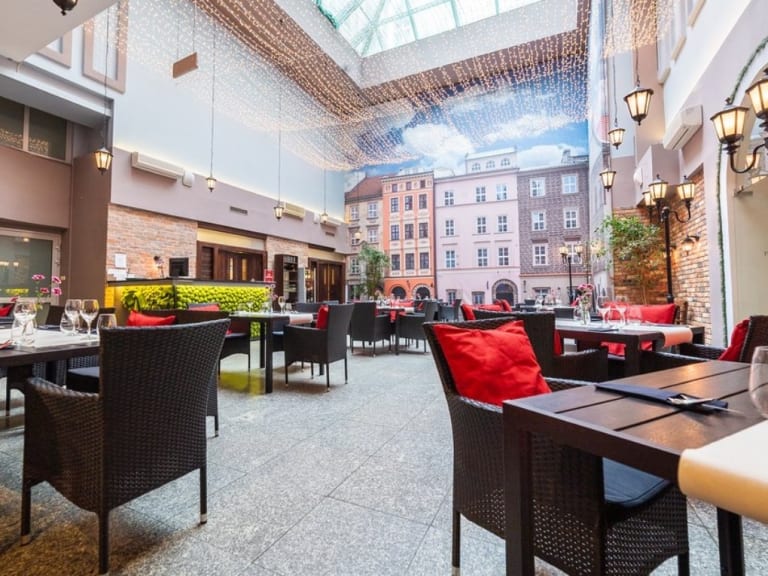
At this point, it’s time to stop and recharge your batteries while sampling the local cuisine. One of the most popular spots, just a few steps away from where you are, is the Market Square, where you’ll find various stalls and restaurants.
One of them is Hawelka, a restaurant serving traditional Polish cuisine that offers the city’s best dishes at a very affordable price, all in a prime location from which to continue your visit.
Afternoon at Wawel Castle
To continue your day, I suggest booking a guided tour of Wawel Castle. This site is strategically located in the city and, over the centuries, has passed from owner to owner, eventually becoming the primary residence of the kings of Poland.
Today, the castle is full of attractions to explore and has become one of the most popular tourist destinations. Inside, you can spend the entire afternoon touring its various sections, including:
- Wawel Cathedral.
- The John Paul I Cathedral Museum.
- The Dragon’s Cave.
- The Royal Palace.
Top off your day with a Chopin concert
If you’re a music lover, don’t hesitate to book your ticket to a Chopin piano concert and put a magnificent finishing touch on your first day in Krakow.
The concert lasts approximately 1 hour and features young and renowned pianists. Plus, you’ll be treated to a complimentary glass of wine.
The concert will take place at the Chopin Gallery, located in the Bonerowski Palace, a 15th-century building.
2. Discover the Jewish Quarter Day
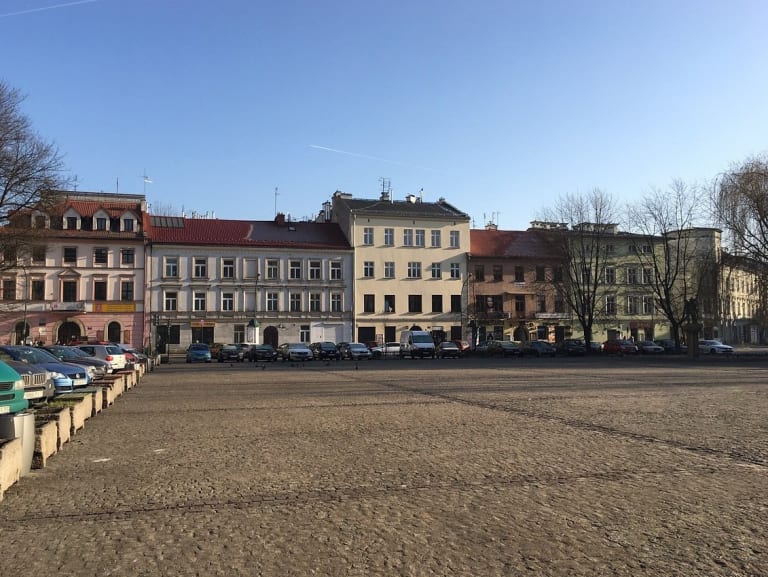
Much of Kraków’s appeal lies in the rich history shaped by its Jewish population in the late 20th century. However, the Jewish Quarter of Krakow was established centuries ago, in what was once known as a separate village from the city.
On this second day, I suggest we spend our time exploring the Jewish Quarter of Krakow in depth—a place steeped in history and home to key sites of its culture and spirituality.
Walnica Square
This square is one of the most central spots in Kraków’s Jewish Quarter, and although it may not seem like it now, centuries ago it was the main square of the town of Kazimierz. To get there, take tram lines 1, 2, 3, 4, or 6 to the Plac Walnica stop.
Today it is one of the most popular starting points in the neighborhood and stands out for its large white building in the center, which has been converted into an Ethnographic Museum.
Visit to the synagogues

Within the Kazimierz neighborhood, you’ll quickly realize the significant influence of Jewish religion and culture. One of the most appealing things to do during your tour of the Jewish Quarter is to visit its two major synagogues, both of which are easily accessible on foot in the morning. These are:
- Isaac’s Synagogue.
- Remuh Synagogue.
Lunch in the Jewish Quarter
To recharge your energy after a morning on your feet, there’s nothing better than stopping at one of the restaurants in the Jewish Quarter to refuel and try a traditional dish.
I recommend trying Starka Restaurant, one of the most famous spots in the entire quarter, known for its traditional Polish cuisine with a gourmet twist that makes it very popular. You may need to book a day in advance, so I recommend planning ahead. Another great option is to book a food tour of Kraków’s Jewish Quarter.
Visit the Remuh Cemetery
After lunch, I suggest a visit to the Remuh Cemetery, a must-see in the Jewish Quarter due to its historical significance. This site is one of the oldest Jewish cemeteries in Poland, with graves dating back to the 16th century.
During World War II, many of the tombs were destroyed. After reconstruction, the entire space was reorganized, and using the remains of the tombstones, a “Wailing Wall” was recreated—one of the cemetery’s highlights.
Explore the Mural of Illustrious People
To end the day, you can explore another of the most photographed spots in Kraków’s Jewish Quarter. It’s a mural featuring the faces of the city’s most illustrious figures, displayed as street art right in the heart of the neighborhood. It’s located at Jozefa 17, on the exterior of the Wrega Pub.
Immerse yourself in Polish culture with a Jewish music concert
Did you know that Yiddish is the language spoken by Jews of German origin? If you’d like to get a feel for this language, don’t hesitate to attend a concert of Jewish music, performed by a band of professional musicians with over 20 years of experience, in a traditional 15th-century Polish house.
The pieces performed by these musicians, who have over two decades of experience, are rooted in the folklore of Reform Judaism, which traces its origins to the 19th century.
Moreover, it’s a double treat because the venue is Dębinskim or Under Barrel, a stunning single-story classical building dating back to the 15th century, whose structure was completely renovated in the mid-16th century.
3. Day: Explore Podgórze, the Jewish Ghetto
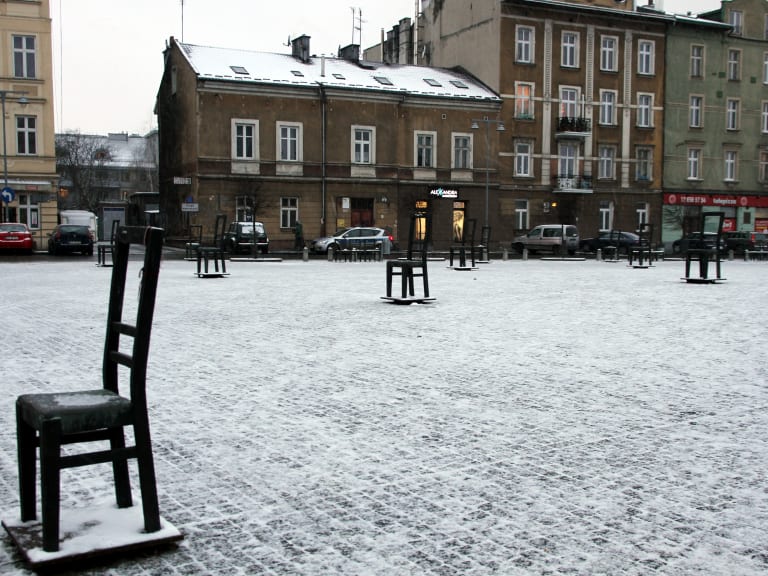
You’ve already gotten to know a bit more about Kraków’s history, and now it’s time to fully immerse yourself in the immense impact this city had on Europe with the onset of World War II. At that time, the Jews were herded into a ghetto where the tragedy of the Holocaust would begin to unfold.
Despite the harshness of its history, Kraków still has much to share, which is why, for this third day, I’ve set aside Podgórze for you—the Jewish ghetto that, even today, preserves memories of those tragic days. To explore it in depth, book a private tour of the Jewish Quarter.
Start at Plac Bohaterow Getta
Bohaterów Square is one of the most iconic starting points in this part of the city, where all Jews were sent following the Nazi occupation. It was here that the fate of millions of citizens was decided and their distribution to concentration camps was determined.
Now, in its place, 60 empty chairs are scattered throughout the square in recognition of all the victims. To get there, take the tram to the Limanowskiego station.
Visit Oskar Schindler’s Factory
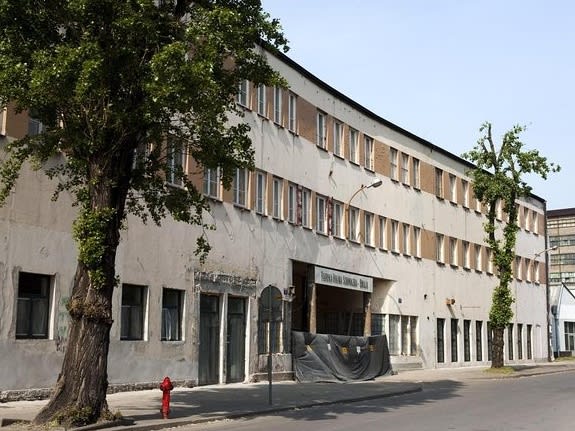
Inside the Krakow Jewish ghetto, there’s a must-see stop you can’t miss, with an incredible story behind it. Oskar Schindler’s pot factory was founded in Krakow and operated using cheap Jewish labor. However, during World War II, its owner, Mr. Schindler, used it to save the lives of a total of 1,200 people by giving them work.
Today, the factory is an essential memorial museum that you can visit for around 15 euros, and I promise you it will be worth it for its immense historical value.
Tour the MOCAK
Very close to the factory is the city’s most important contemporary art museum, the MOCAK. I suggest visiting it after lunch and spending as much time there as it deserves, because it’s filled with all kinds of artworks, and if you love art and culture, for less than 5 euros you’ll feel right at home.
Go see the remains of the ghetto wall
For many years, the Krakow ghetto was separated from the rest of the city by a wall that enclosed the Jewish community. Today, only a few remnants remain at 62 Limanowskiego Street, but it’s worth visiting them to better understand what the ghetto was like at that time and to get a sense of the city’s recent history.
Be dazzled by a cruise on the Vistula
Enjoying a cruise on the Vistula River in Krakow is another must-do activity on your trip to Krakow.
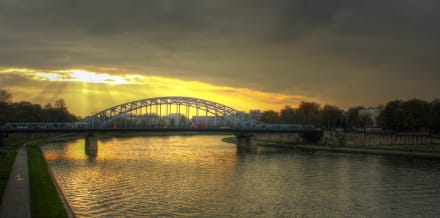
On this approximately one-hour route, you’ll get the best views of Wawel Castle, the Bernatka Bridge, the Manggha and Cricoteka Museums, the Jewish quarter of Kazimierz, and the Church on the Rock. Plus, you won’t miss a single detail thanks to the audio guide provided.
A tip: don’t forget your camera.
4. Day Trip to Auschwitz-Birkenau
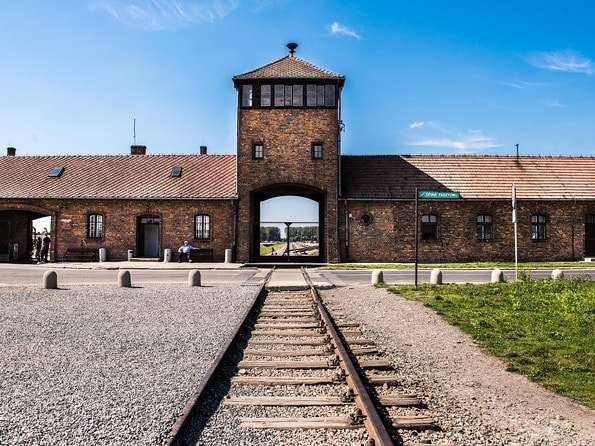
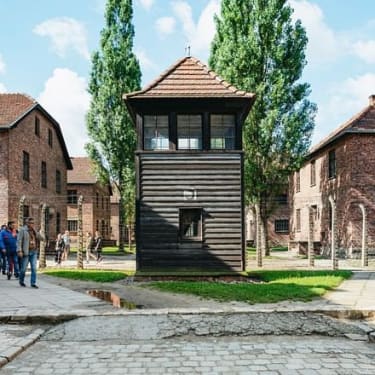
Auschwitz is one of the most important and most visited concentration camps still standing in the world. Within its walls, some of the most brutal crimes in modern history were committed. Today, it is a memorial site visited by millions of people, and a trip to Auschwitz is a must.
Visiting this site is a must-do during your stay in Krakow, which is why you’ll spend an entire day visiting Auschwitz and its neighboring camp on a solemn tour that will leave a lasting impression.
Morning Visit to Auschwitz
Auschwitz is located 70 kilometers west of Krakow, so you’ll spend the entire day traveling there and back. To get there, you can choose to book one of the organized tours that pick you up from downtown Krakow, or go on your own by bus, which takes about an hour to arrive.
Once at the camp, you’ll need to purchase a ticket for approximately €25 to gain access and tour the various sites that will send chills down your spine—from the barracks to the gas chambers.
Rest and lunch in the area
You might not have much of an appetite after leaving Auschwitz, but to recharge your energy, I recommend heading to one of the nearby restaurants, such as Portobello, to unwind a bit and continue with the afternoon visit to what is known as Auschwitz II.
End at Auschwitz II-Birkenau
To wrap up the day, be sure to visit Auschwitz II-Birkenau, one of the largest concentration camps still standing and home to the most chilling sites of the Jewish Holocaust.
Due to the harsh nature of the history, these types of tours are not highly recommended for children under 14. I also recommend booking a guided tour so you don’t miss a thing.
5. Day 5: Visit the Wieliczka Salt Mines

By now, you’ve seen most of Kraków’s must-see sights and learned about its history, but there’s still more to explore. You can’t leave this city without taking one of the most famous tours in the entire country: the Wieliczka Salt Mines.
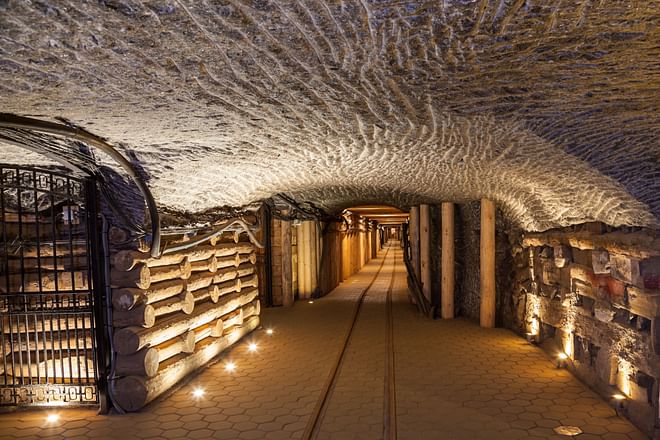
Designated a UNESCO World Heritage Site, these mines consist of a multitude of chambers and even feature an underground chapel that will leave you speechless. Due to their location and vast size, you’ll need to set aside a full day to visit them.
Explore the salt mines
This spectacular site is located just 15 kilometers from Kraków and can be reached by bus (line 304), by car, or via an organized tour to the Salt Mines from Kraków. Upon arrival, you’ll find yourself in vast underground galleries stretching over 300 kilometers, featuring all kinds of sculptures and passageways carved from salt. Definitely a marvel worth visiting.
Admission to the salt mines usually costs around 50 euros, and I recommend doing it through an organized tour so you can be guided through the different chambers and learn a bit more about the history of these impressive mines.
St. Kinga’s Chapel
One of the most incredible highlights of your visit to the Wieliczka Salt Mines is reaching the underground Chapel of St. Kinga, built entirely of salt and so vast that you’ll forget you’re underground.
6. Day Archaeological tour of the Kraków and Nowa Huta Mounds

You’re nearing the end of your week in Krakow, and today I’ve planned a day dedicated to two must-see attractions that, interestingly, are very close to each other.
First, you’ll visit one of the five mounds, or “kopiec,” scattered throughout the city, which have been places of worship for centuries. On the other hand, you’ll venture into the Nowa Huta neighborhood, the Soviet-era district. Let’s get started!
Discover Wanda’s Mound
To reach this curious structure, head to the Kopiec Wandy stop on tram lines 21 or 22, which will drop you off right next to the entrance. This mound, along with its four other counterparts scattered throughout the city, are burial sites that have stood for centuries and are shaped like hills.
It is believed that the daughter of Kraków’s founder was buried at Wanda’s Mound between the 7th and 8th centuries. Admission is completely free, and it’s an ideal place to visit with children, as it offers a natural setting like no other.
Lunch in Nowa Huta
I recommend that you then take a tour of the Nowa Huta neighborhood, the Soviet-era district. But before diving in to explore it in depth, I suggest recharging your energy at a local restaurant like Stylowa, where you’ll get a better taste of Polish cuisine.
Explore Kraków’s Communist Neighborhood
After the tour of the Nowa Huta neighborhood—created by the Soviets in the second half of the 20th century—where you’ll visit iconic sites like Plac Centralny, the Nowa Huta Museum, the Soviet tank, and the Ark of the Lord Church, I recommend booking a Krakow Communism tour.
7. Day Trip to Zakopane and the Tatra Mountains
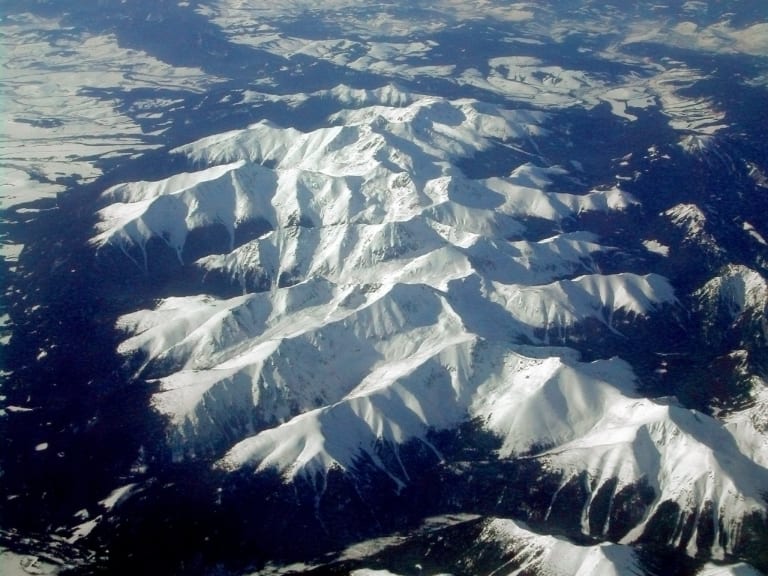
Visiting Krakow is truly a marvel, as you’ll soon discover, and after experiencing all of Krakow’s most important sites firsthand, I suggest you wrap up your trip to this incredible destination. To do so, I’ve prepared a farewell excursion for you to spend the day just two hours from here, in mountains that will capture your heart: the trip to Zakopane and the Tatra Mountains.
The day will begin in Zakopane and take you through the country’s most idyllic mountain landscapes, culminating in the Tatra Mountains and the surrounding villages.
Gubałówka and Butorowy Wierch Mountains by Funicular
The Tatra Mountains are a natural park you can’t miss as you wrap up your trip to Kraków. You can drive there, but the best option is to book a guided tour that picks you up in downtown Kraków and takes you around all day so you don’t miss a thing.
One of the highlights upon arriving in Zakopane is taking one of the cable cars up to the main mountains of the reserve, where you can enjoy a beautiful mountain landscape.
Downtown Zakopane and the Tatra Museum
Upon returning to the center of the small town of Zakopane, you’ll have the chance to see its picturesque houses and stroll through its colorful streets. You can also grab a bite to eat at one of the local spots and visit the Tatra Museum, which showcases the area’s history.
Stop in Chochołów
On the way back to the city and to wrap up this incredible trip through Kraków, you’ll have the chance to stop in a picturesque village halfway called Chocholów, featuring wooden houses typical of the southern part of the country, where you can buy some handmade souvenirs.