How to Get to Venice from Milan
Have you ever heard the saying, “You have to lose yourself to find yourself”? Well, the journey from Milan to Venice offers the perfect opportunity to do just that. Just make sure to have your camera handy and take note of my tips so you don’t miss a single detail on your next trip.

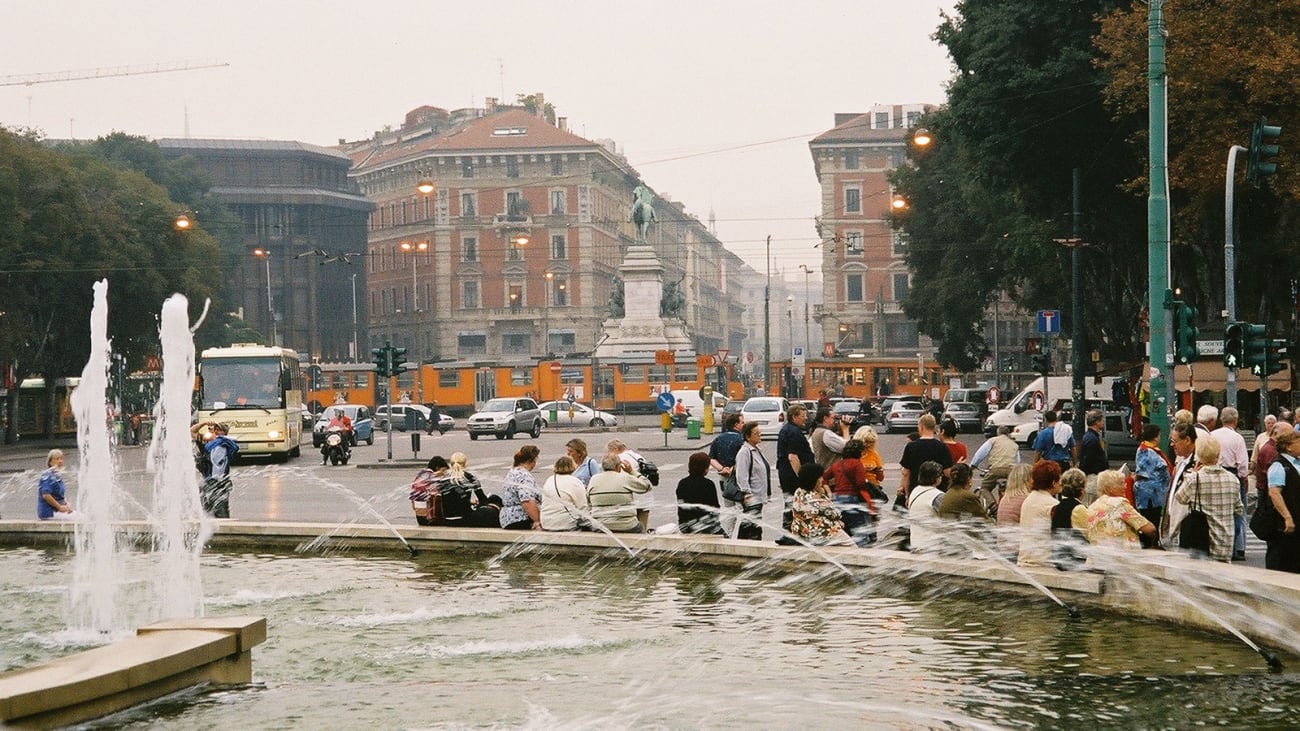
Milan, Italy | ©Chris Yunker
If you're planning your itinerary with all the things to see and do in Milan, a visit to Venice should be in your top 3 activities. The Milan-Venice route is one of the smartest choices if you want to experience the best of these two tourist cities. Separated by 280 kilometers, it ranks among the best tours and excursions from Milan thanks to its convenience and beauty.
There are many ways to get there. You can choose to travel from Milan to Venice by train, bus, car, or other means of transportation. To help you make a decision, in this post I’ll show you the best options for traveling between the two cities. You’ll discover that exploring Venice is a unique experience that will make you want to visit it after reading about the following ways to get there from the Lombard capital.
1. The best way to get to Venice: a guided tour

If this is your first time traveling to Venice or you prefer recommendations, tips, and explanations of the sights in person, a guided tour will save the day and is your best option for exploring Venice’s main attractions. Ready for the adventure?
To start with, it’s important to know that most of these tours combine walking tours of Venice’s monuments with a boat ride for a complete experience. You can visit St. Mark’s Basilica, explore the interior of the Doge’s Palace, or walk along the Rialto Bridge or the Bridge of Sighs.
Local tours are usually flexible, and the guides take care of everything so you can enjoy an unforgettable visit. You can explore the city, enjoy a delicious vitello tonnato, have a coffee on a terrace, buy souvenirs, take a gondola ride, or simply wander through this paradise at your own pace.
Details of interest
- Price: Starting at €120.
- Duration: Between 12–13 hours.
- Pros: Bus transportation, round-trip service, bilingual guide, boat ride on the Venetian Lagoon.
- Drawbacks: Most of these experiences do not include drinks or snacks. Not suitable for people in wheelchairs.
- Suggested activities during the tour Starting at €30, you can enjoy a gondola ride along the Grand Canal on a peaceful 30-minute trip.
2. The luxury option: by plane
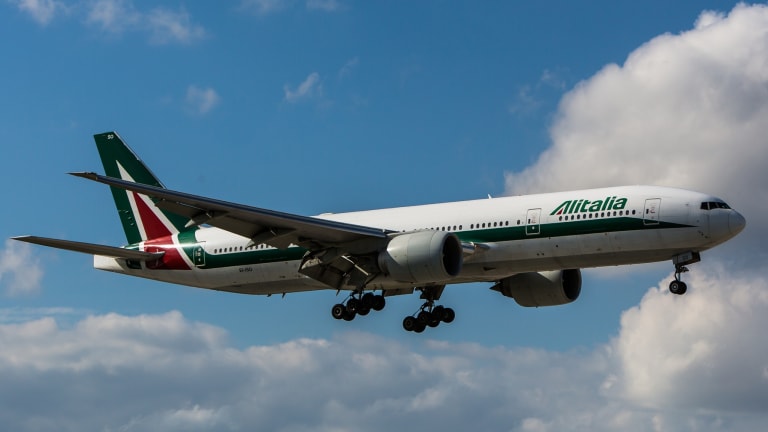
You can travel from Milan to Venice by plane for the comfort and speed of flying. A direct flight between Milan and Venice takes 2 hours and 30 minutes; however, keep in mind that there are few direct flights on this route.
Typically, travelers who choose this option must make a stopover in Rome, Brindisi, or Cagliari, which immediately negates the advantage of speed. Honestly, this option is not very advantageous if you can’t get a direct flight; moreover, you have better options, such as trains.
Points of Interest
- Price: Available starting at €210.
- Duration: Direct flights 2 hours and 30 minutes. Flights with a layover, over 3 hours.
- Advantages: The opportunity to enjoy the journey from above.
- Disadvantages: The cost-benefit ratio isn’t attractive. The time spent traveling can also be an issue.
- Suggested activities during the flight: Just relax, read a good book, or enjoy a nice conversation with your travel companion. The best part comes after landing in Venice.
3. The most flexible option: by private car

Imagine that your road trip of the year is between Milan and Venice—a dream come true, don’t you think? Check out the best time to travel to Venice and get your car ready or rent one, because this will be your ideal option.
By private car
If you’re thinking of traveling by car in Italy, especially in the north, trust me, you won’t regret it because the highways are well-marked and in excellent condition. To make it easier for you, you have two options to enjoy your road trip: the first is to take the A4 Turin–Trieste highway, which passes through cities like Bergamo, Brescia, Verona, Padua, and Vicenza.
These cities are perfect for stopping, exploring, and enjoying on foot or by bike, and at the end, stop at one of the best affordable restaurants in Venice.
Another way to get to Venice from Milan by car is via the A1 Milan–Naples highway to Bologna, passing through Piacenza, Parma, and Modena. Additionally, another way to make the experience more complete is the A13 Bologna–Padua route to Venice, which passes through Ferrara.
The route mentioned is a bit longer, a total of 363 km, but if you’re not in a hurry to get to Venice so quickly, you can explore the Via Emilia culinary route and book a tour to sample the best dishes of Italian cuisine.
By carpool
Carpooling is an economical way to travel within Italy. As the name suggests, it involves sharing a car with a stranger.
Although this method began gaining popularity among locals in Italy starting in 2017, safety remains a concern for foreigners. The most popular site isBlaBlaCar.
Starting at €11, you can travel from Milan to Venice in about 2 or 3 hours. Tourists are still skeptical about this option, but the price keeps winning them over—doesn’t that sound great?
Points of Interest
- Price: The price may vary depending on the route, but it’s approximately €20 for fuel and €25 for tolls, which will depend on the route you choose. Finally, parking fees range from €15 for the farthest spots to €30 for the closest ones.
- Duration: Between 3–4 hours depending on the route you choose.
- Advantages: It’s a flexible experience that lets you explore more places than you ever imagined.
- Suggested activities during the tour: If you’d like to stop in any of the cities, I recommend the route from Venice to Bologna; it offers plenty of activities for the whole family, as well as for those looking for a top-notch culinary tour.
4. The cheapest way to get from Milan to Venice: the public bus

The bus will always be the best option for travelers who prioritize saving money while traveling. If you’re one of them, then you should know everything this experience has to offer.
Without a doubt, taking the bus has its advantages, such as making stops at parks, gardens, or other attractions along the way. For the Milan-Venice or Venice-Milan route, there’s a very easy way to get there and back.
Milan-Venice Route
The departure station is called Milano Lampugnano, which is located on the outskirts of the city, but getting there is simple. Here’s what you need to do:
-
- Take Line 1 (red) of the metro, which departs from Central Station and the Lampugnano stop.
-
- Once in Venice, get off at the Tronchetto stop.
-
- Then, you can take a vaporetto or walk.
Return from Venice to Milan
The station for the return trip from Venice to Milan is Tronchetto, located on the artificial island of the same name. To return, you must:
-
- Take a vaporetto to reach the stop.
-
- Once at the stop, take Line 1 back to Lampugnano.
-
- Get off at the central station.
Useful Information
- Price: Tickets starting at €17.
- Duration: About 4–5 hours
- Advantages: Mainly the ticket prices, and there are times of year when you can find even better deals. The best-equipped company is Flixbus, which offers 9 daily departures.
- Drawbacks: The time spent on the road, as well as potential stops, is something to consider on these trips
- Suggested activities during the tour: If there are any stops during the tour, you can eat at a local restaurant such as Antica Trattoria Lampugnano.
5. The most convenient way to travel from Milan to Venice: high-speed trains or regional trains

Regional trains in Italy are chosen by tourists who want to save time and money; they are also such an affordable option that they are worth it despite the travel time.
Milan currently has 23 train stations. The most important train stations in Milan are: Milano Centrale, Milano Rogoredo, and Milano Porta Garibaldi.
In Venice, the three most important train stations are: Venezia Santa Lucia, Venice, and Venezia Mestre, with the latter being the most popular among travelers.
Option I: Regional Trains
There is a wide range of regional trains available, so every hour there are between two and three trains ready to make the trip between the two cities. To check schedules, it’s best to visit the official Trenitalia website, which offers a variety of trips at prices with a good time-to-cost ratio.
Regarding fares on regional trains, there is only one fare type: Ordinary, based on the distance between the origin and destination stations and the class or level of comfort, as indicated in their regulations.
The trick to getting cheap train tickets is to book in advance. When planning your trip, take your time and book your train tickets as early as possible; this way, you’ll have a wider range of schedules and prices to compare.
Points of Interest
- Price: Between €20 and €30.
- Duration: Between 3.5 and 4 hours, including one or two transfers.
- Advantages: The main advantage of this experience is the price, and just like high-speed trains, they offer Wi-Fi and other amenities.
- Drawbacks: There is only one fare; some may include an additional one. But when purchasing the ticket, you must check the terms and conditions.
- Suggested activities during the tour: You can take a full tour of St. Mark’s Square. Also, a way to make the transfers or stops more enjoyable is to photograph the beautiful Italian landscapes you’ll see along the way. Guess what’s best? It’s free—all you need is your camera.
- Important: The Trenitalia website is not available in Spanish; be sure to select “Regional” in the “Main Solution” section.
Option II: High-speed trains (Frecce, the most recommended option)
Traveling by train from Milan to Venice gives you the opportunity to explore a magnificent city in the most practical, safe, and economical way.
Given the extensive nature of the Italian rail network, you can reach any destination by train, extend your sightseeing itinerary, or stay in a single city to appreciate every little detail it has to offer. But if you’re looking for the fastest way to travel, then high-speed trains are for you.
The main company managing Italy’s rail network is Trenitalia, which operates four main train models, with the Frecciarossa being the fastest, capable of reaching speeds of up to 400 km/h.
There is also a new high-speed rail service called Italo, which offers most of the same benefits as the first option.
Important Details
- Price: Between €30 and €120. This depends on the fare categories. Trenitalia offers four: Base, Economy, Super Economy, and Ordinary. You can find deals starting at €9 by booking in advance. Additionally, in each class, you have options for Standard, Standard Quiet, Premium, Business, and Executive for greater privacy and comfort.
- Duration: 2 hours and 25 minutes is enough to connect the two cities.
- Advantages: They have better schedules and include Wi-Fi, restrooms, power outlets, air conditioning, luggage space, and an onboard restaurant and bar.
- Drawbacks: When purchasing your ticket, there may be some confusion if it’s your first time; be sure to select “Venezia S. Lucia” as your destination.
- Suggested activities during the tour: Once you arrive at Santa Lucia Station, take one of Venice’s vaporettos (water buses for €7.50). This way, you’ll travel along the canal, passing two major attractions: the Rialto Bridge and St. Mark’s Square.
- Important: Be sure to select “Frecce” in the “Main Solution” section.
Transportation comparison from Milan to Venice
- By plane
- Direct flights: 2 hours and 30 minutes. Flights with layovers: over 3 hours.
- Starting at €210.
- By private car
- 2 to 3 hours
- Starting at €11
- By carpool
- 2 to 3 hours
- From €11
- By bus
- 4 to 5 hours
- Starting at €17
- By regional trains
- Between 3 hours 30 minutes and 4 hours
- Starting at €20
- By high-speed train
- 2 hours and 25 minutes
- Between €30 and €120