


More about: Best Things to Do in Padua
Padua is the city of a thousand churches. But that's not all: for centuries, it has been one of the country's most important cultural reservoirs. And, thanks to its strategic geographical location, it has also become one of the ideal destinations to use as a base from which to visit other nearby tourist sites.
Among the best activities you can do in Padua are visiting the Basilica of Saint Anthony, seeing the Gattamelata monument, touring the Eremitani Museum, relaxing in Pratto della Valle, and visiting the nearby cities of Verona and Venice, an experience you can enjoy on full-day excursions.
1. Visit the Basilica of Saint Anthony of Padua

The center of Padua is the Basilica of Saint Anthony, which was built around 1230 in commemoration of a Franciscan friar who became one of the most venerated saints of the Catholic Church. The basilica was designed in an architectural style that combines Romanesque and Gothic elements, making it a jewel of northern Italian artistic and religious heritage. Over the centuries, it has become a place of pilgrimage.
Visiting the Basilica of Saint Anthony is an essential experience for any traveler in Padua. It is not only a place of worship but also a symbol of the city's history and culture. The basilica also houses the tomb of Saint Anthony, which is a focal point for pilgrims.
Inside the basilica, you will find works of art including frescoes and sculptures from the Middle Ages. One of the most notable features is the high altar, which is decorated with gold details and is a testament to the religious art of the period. In addition, the Chapel of Saint Anthony, where the saint's tomb is located, is a place of great beauty and tranquility, ideal for reflection and prayer.
This basilica is a central point in Padua, which you can reach on your own by public transportation or by purchasing tickets for the Padua tourist bus, which includes a stop at Saint Anthony's.
2. Explore Prato della Valle

Prato della Valle is one of the largest and most emblematic squares in Europe. Its unique oval shape and size make it the ideal place to stroll, relax, and enjoy the city atmosphere. Surrounded by a canal, Prato della Valle is adorned with gardens and statues representing illustrious figures from Padua's history, creating an unmissable picturesque setting.
In the center of the square is the island of Memmia, which houses a fountain and is surrounded by a pedestrian path flanked by 78 statues of prominent figures, such as poets, philosophers, and artists. This sculptural ensemble not only beautifies the place but also pays tribute to Padua's rich cultural and intellectual heritage.
In addition to its historical and artistic value, Prato della Valle is a hub for various cultural activities and community events. Throughout the year, the square becomes the setting for fairs, markets, and festivals celebrating local cuisine, art, and Paduan traditions. One of the best ways to get to know this site is to book a bike tour of Padua that includes Prato della Valle in the itinerary.
3. Marvel at the Scrovegni Chapel

If you want to discover one of the most fascinating sites in Padua, don't leave the Scrovegni Chapel off your itinerary. It was built in the 14th century and planned as an act of penance for the usurious practices of the family that gives the site its name. Its interior is adorned with a cycle of frescoes painted by the master Giotto, which narrate the life of the Virgin Mary and the story of Christ.
Giotto's frescoes cover almost all the walls and ceiling of the chapel, creating an unmissable medieval atmosphere. Each scene is meticulously crafted, showcasing not only the artist's technical skill but also his ability to convey deep feelings and narrate complex stories. For example, the depiction of the Last Judgment on the south wall of the chapel is considered a milestone in medieval art.
The Scrovegni Chapel has been recognized as a World Heritage Site and is not only a fundamental site for understanding the development of Renaissance art in Italy, but also offers a complete overview of the beliefs and values of medieval society.
To fully enjoy this artistic marvel, you can book a private tour of Padua, which usually recommends including the Scrovegni Chapel in the itinerary .
4. Discover the Gattamelata monument in Piazza del Santo
The Gattamelata monument, located in Piazza del Santo in Padua, is one of the most emblematic works of the Italian Renaissance. This equestrian statue was sculpted by the renowned artist Donatello and pays homage to Erasmo da Narni, known as Gattamelata, a prominent military leader of the time.
The work stands out not only for its technical and aesthetic mastery, but also for its symbolism, as it represents the power and courage of a military leader at a crucial moment in Italian history. The monument's importance lies in its innovative artistic approach, as Donatello broke with the conventions of equestrian sculpture of his time by giving Gattamelata a realistic and dynamic expression.
In addition to its artistic value, the Gattamelata monument has profound historical significance. Erasmo da Narni was a key figure in the political and military struggles of Italy during the 15th century, and his figure symbolizes not only the combative spirit of his time, but also the social and political changes that were taking place in the country. Today, it is a symbol of Padua that you won't want to miss during a tour of the city.
5. Visit the Eremitani Museum

If you want to visit one of the most interesting museums in Padua, don't miss the Eremitani exhibition, which has more than 200 years of history and occupies a former convent of the Hermits of St. Augustine, giving it a unique historical and architectural character. Over the years, it has undergone several extensions and renovations, becoming one of the most important museums in Italy.
One of the main attractions of the Eremitani Museum is its collection of medieval and Renaissance art. Among the most notable works are frescoes by artists such as Giotto and Andrea Mantegna, which offer a comprehensive overview of artistic development in the region. In addition, the museum houses a collection of sculptures, paintings, and archaeological objects that allow visitors to appreciate the cultural and historical evolution of Padua over the centuries.
The museum is also notable for its commitment to the conservation and promotion of cultural heritage. Through temporary exhibitions and educational activities, the Eremitani Museum seeks to engage the community and foster a greater appreciation for art and history.
6. Walk through the Ghetto of Padua
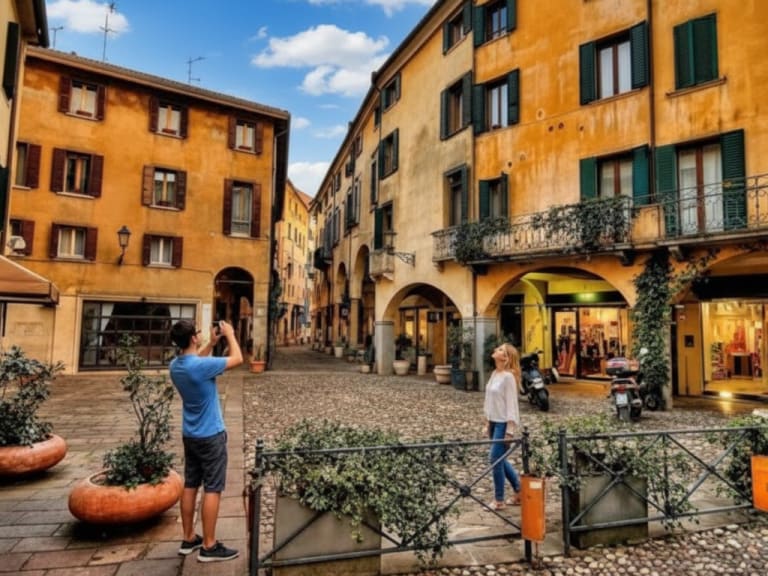
Although not part of the main circuit of guided city tours, the Ghetto of Padua is a place steeped in history and significance that offers visitors an in-depth look at Jewish life in this area over the centuries. Established in 1516, this neighborhood was one of the first ghettos in Europe and, despite the limitations imposed, against all odds it flourished as a cultural and commercial center for the local community.
In this ghetto, you can admire the characteristic architecture that has endured over time. The narrow cobbled streets are flanked by historic buildings that reflect the influence of the Italian Renaissance. Among them are synagogues, shops, and houses that tell stories dating back centuries. In addition, the Great Synagogue stands out for its architectural beauty and religious significance.
In addition to its historical value, the Ghetto of Padua is a space that remains relevant today and serves to understand the region's past, as it laid the foundations for the famous Ghetto of Venice, which was the epicenter of Italian power during the era of port cities.
7. Take a cruise along the Brenta Riviera

A cruise along the Brenta Riviera is an unforgettable experience that connects Padua with Venice through a landscape that is well worth exploring. This river tour, which runs along the Brenta River, offers panoramic views of historic villas, lush gardens, and picturesque villages that have witnessed the rich history of the region.
From the deck of the cruise ship, you can discover the Venetian villas that dot the banks of the Brenta. These residences were built as summer retreats between the 15th and 18th centuries by Venetian nobles. Villa Pisani, popular for its splendid garden and Baroque architecture, is a stop you won't want to miss during the tour. If you decide to disembark here, you can explore its frescoed rooms and the works of art it houses.
Along the way , you can also discover villages such as Stra and Dolo, where time seems to have stood still. Here you can enjoy the local atmosphere while exploring the markets, craft stalls, and cafes. Booking a cruise to the Brenta Riviera from Padua is one of the best ways to discover this river route that connects two of northern Italy's major cities.
8. Tour Verona and Lake Garda from Padua

If you are in Padua and looking for an unforgettable getaway, there is no better option than exploring Verona and Lake Garda. Just an hour away by car or train, these two gems of Italian tourism offer you a perfect combination of history, culture, and natural beauty. Starting your adventure in Verona, a city famous for its romantic story of Romeo and Juliet, is an excellent way to immerse yourself in the cultural heritage of the region.
In Verona, you can visit monuments such as the Arena, an ancient Roman amphitheater that still hosts shows and concerts, and stroll through the cobbled streets that inevitably lead to Piazza delle Erbe, the nerve center of Verona where you can enjoy the local cafes. Nearby, you can also visit Juliet's House, an iconic site that attracts couples from all over the world and refers to Shakespearean literature.
After exploring Verona, you can visit Lake Garda, the largest lake in Italy. This place is a natural paradise with landscapes that include mountains, crystal clear waters, and picturesque villages on the shores of the lake. There, you can choose to take a boat ride, enjoy water activities, or simply relax on one of the many beaches in the surrounding area.
Both sites are easily accessible on your own, but if you want a more comfortable and relaxing experience, you can choose to book an excursion to Verona and Lake Garda from Padua. This alternative will allow you to make the most of your stay in the city, so it could be useful if you are planning a short stay in northern Italy.
9. Visit the Villa dei Vescovi and the monumental gardens of Valsanzibio

One of the best ways to learn about the Italian Renaissance is to visit Villa dei Vescovi, located a few kilometers from Padua and notable for its architectural design, but also for its privileged location in the Euganean Hills.
The monumental gardens of Villa dei Vescovi, which extend along wide terraces and offer panoramic views of the surrounding landscape, are one of the main attractions of this site. These gardens were designed as a space for recreation and contemplation, so among the paths you will find fountains, sculptures, and ornamental plants.
In addition to its aesthetic beauty, Villa dei Vescovi hosts cultural events and temporary exhibitions that further enrich the visitor's experience. Throughout the year , you will find activities such as concerts, art workshops, and guided tours that allow you to delve deeper into the history and art of the place. Booking an excursion to Villa dei Vescovi from Padua will allow you to discover one of the most beautiful sites in the city's surroundings and a perfect setting for taking photographs.
10. Take a trip to Venice!
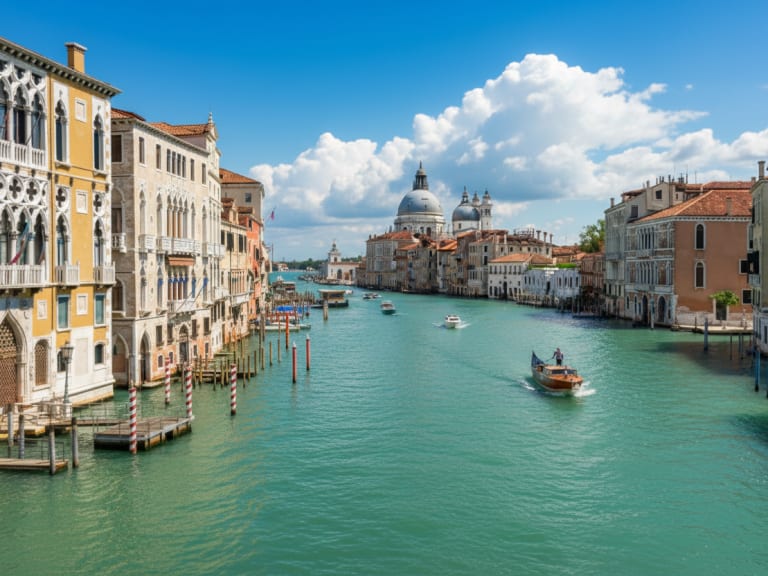
Padua is one of the most beautiful cities in northern Italy, but its beauty also lies in its strategic location and the fact that nearby you can visit some of the most visited sites in Italy. Venice is one of these sites, and taking a trip to La Serenissima is an ideal activity for those who want to explore its canals.
The proximity between the two cities, which are only 25 kilometers apart, makes for a quick and comfortable trip, whether by train or bus. In less than half an hour, you can leave the tranquility of Padua behind and lose yourself in the hustle and bustle and unique beauty of Venice. This proximity makes it easy to plan an itinerary that covers the main points of interest without the need to rush.
Once in Venice, you will find a wealth of wonders to discover. St. Mark's Square is the beating heart of the city and an essential place to start your visit. There you can admire St. Mark's Basilica, famous for its golden mosaics and Byzantine architecture, as well as the Campanile, from the top of which you can enjoy panoramic views of the city and its surroundings.
Another highlight is the Grand Canal, the main artery of Venice, where you can see the iconic Venetian palaces that line its banks. A ride on a vaporetto, the public water transport, will offer you a unique perspective of the canal and allow you to relax and enjoy the scenery. Booking an excursion to Venice from Padua will give you an experience that goes beyond mere tourism, as you will get to know one of the most unique cities in the world.