




More about: Lanzarote in 7 Days: a guidebook for getting the most out of your visit
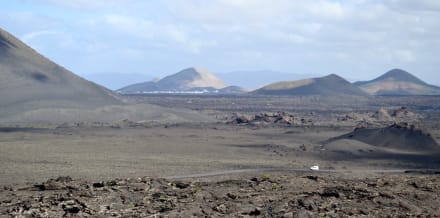
A third of the island of Lanzarote was once covered in lava, giving it a unique volcanic character. With its craters, white sandy beaches, fishing villages and art blending into the natural landscape, the island offers a wide variety of experiences in every corner. If you’re wondering what to see in a week, this itinerary is for you.
Day 1: Mirador del Río, La Graciosa and Órzola

Start your journey in the north, with panoramic views, quiet beaches and villages where life moves at a slower pace. From the Mirador del Río viewpoint, you’ll see the island of La Graciosa, where you can spend the day enjoying the sand and the sea. Finish the day in Órzola, the perfect spot for dinner by the sea.
Mirador del Río
Situated 400 metres above sea level, the Mirador del Río is a creation by César Manrique offering spectacular views of La Graciosa. Its architecture blends into the rock face, and it features a café, binoculars and a car park. You can also enjoy the scenery for free from the nearby Mirador de Nahum.
La Graciosa
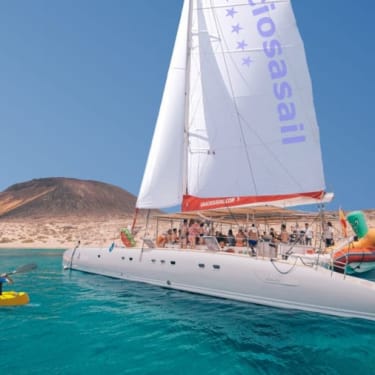
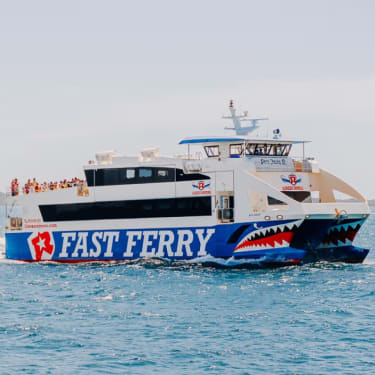
From Órzola you can take a ferry to La Graciosa, an island with no cars or tarmac. Explore its small village and enjoy Playa Francesa, which you can reach on foot or by bike. You can also book a day trip from Lanzarote that includes a catamaran ride and lunch.
Caletón Blanco Beach
On the way back, stop off at Caletón Blanco Beach, with its white sand, volcanic rocks and shallow waters. It’s one of the best beaches for children and perfect for a final dip of the day.
Stroll through Órzola and sample its local cuisine
Órzola is a fishing village with whitewashed streets and a peaceful atmosphere. It’s the ideal place to round off the day by sampling fresh fish or seafood at one of its seaside restaurants.
Day 2: Jameos del Agua, Cueva de los Verdes and a boat trip

Spend the day exploring two of Lanzarote’s volcanic gems: Jameos del Agua and Cueva de los Verdes. In the afternoon, relax with a sunset boat trip from Puerto del Carmen – the perfect way to see the coast from a different perspective.
Cueva de los Verdes
Cueva de los Verdes is a volcanic tunnel that you can explore on guided tours. It features a natural concert hall and was redesigned by César Manrique, who skilfully highlighted its beauty through lighting and design.
Jameos del Agua
Just a few minutes away, Jameos del Agua is another section of the same volcanic tube, where you’ll find an inland lake, a restaurant and spaces designed by Manrique that blend architecture and landscape.
Take a sunset boat trip
From Puerto del Carmen, you can take a boat trip with canapés and a glass of champagne included. You’ll see cliffs and beaches from the sea whilst enjoying the sunset.
Day 3: Timanfaya National Park

The third day is dedicated to the incredible volcanic landscape of Timanfaya National Park: craters, reddish rocks and lava fields that look like something from another planet. Here you can also try food cooked using the heat from the ground.
Mancha Blanca Interpretation Centre
Before entering the park, visit this free centre, where you’ll learn about the area’s geological history and the origin of the eruptions. It’s the perfect introduction.
Islote de Hilario
On Hilario Islet you’ll see geothermal demonstrations, such as man-made geysers or stones that catch fire on contact with the air. The Volcanoes Route starts from here.
Timanfaya Volcanoes Route
This guided bus tour takes you to the park’s most spectacular spots. The terrain is so fragile that it cannot be explored on foot.
Tremesana Trails
If you fancy a walk, you can book a free walking tour from the visitor centre. The route is 2 km long and requires prior booking.
Day 4: Museo del Atlántico and Papagayo beaches

Today it’s time to explore the south: dive amongst underwater sculptures at the Atlantic Museum and then relax on the unspoilt coves of the Los Ajaches Natural Monument.
Underwater museum
The Atlantic Museum can only be visited by diving. There are over 300 sculptures under the sea, created by Jason de Caires Taylor. It’s the perfect place to have your first dive.
Papagayo Beaches
The Papagayo beaches are coves with white sand and crystal-clear water, linked by footpaths. You can also visit the San Marcial Rubicón archaeological site on Pozo Beach.
Day 5: Casa Museo del Campesino and wine tour

This day is dedicated to local culture. It begins at the Casa Museo del Campesino, followed by a tour of some of the island’s most iconic wineries.
Casa Museo del Campesino
The Casa Museo del Campesino was designed by Manrique as a tribute to the island’s farmers. Here you can admire traditional architecture, buy handicrafts or sample local specialities.
Wine Trail
The LZ-30 road connects wineries such as Los Bermejos, El Grifo and La Geria, where you can take part in wine tastings and learn about viticulture on volcanic soil.
Day 6: Art Museum and César Manrique Foundation

Today it’s all about art. Visit the International Museum of Contemporary Art and then the César Manrique Foundation in Tahíche.
Museum of Contemporary Art
Housed in a former castle, this museum features works by Miró, Tàpies and Sempere, as well as a restaurant with sea views.
César Manrique Foundation
Built on volcanic bubbles, Manrique’s former home is now a museum. You can combine your visit with a stroll around Tahíche or pop over to the Haría House Museum.
Day 7: Charco de los Clicos, Los Hervideros and Salinas de Janubio

Round off your itinerary in the south-west of the island with volcanic landscapes and unique natural phenomena.
Charco de los Clicos
This green lake, situated within a volcanic crater, owes its colour to sulphur and algae. You can view it from the viewpoint or walk down to the shore.
Los Hervideros
In this cliff-lined area, the sea surges forcefully into lava tunnels, creating jets of pressurised water. It is a breathtaking natural spectacle.
Janubio Salt Flats
These historic salt flats have been in operation since 1895. As well as producing salt, they form a picturesque landscape and are a protected area for birds.